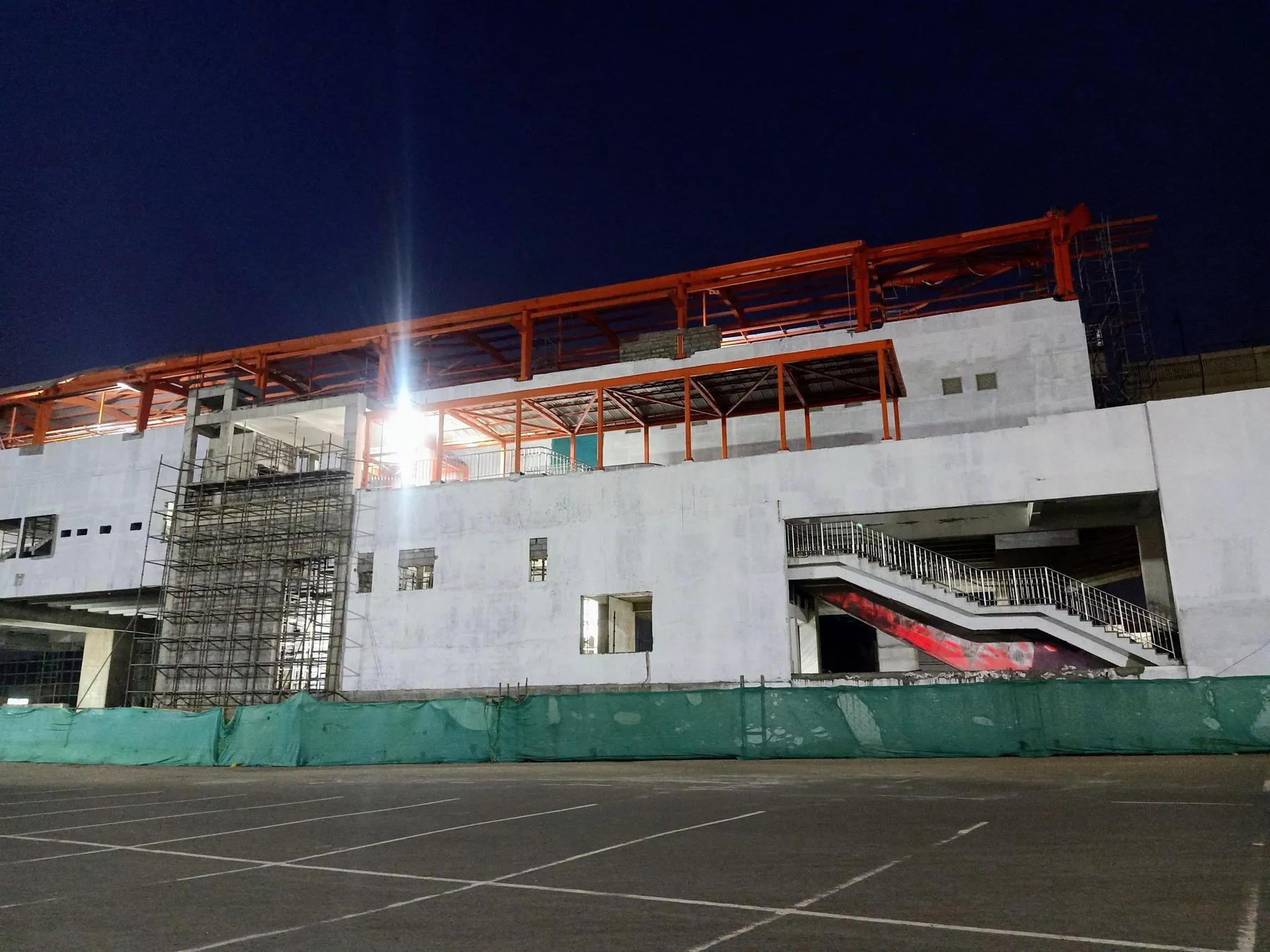
Bhopal Metro goes under the railway station: the KPIL–Gulermak BH-04 package
Bhopal opened its first metro service in December 2025, when the elevated Orange Line priority corridor from Subhash Nagar to AIIMS began carrying passengers [1]. The next step is harder: taking the line underground beneath Bhopal Junction and the old city. That work, package BH-04, belongs to the joint venture of Kalpataru Projects International (KPIL) and Gulermak, and at the end of March 2026 its first tunnel boring machine, Durgavati, was lowered through a launching shaft to about 24 m near Bhopal's main railway station and began boring [2][3].
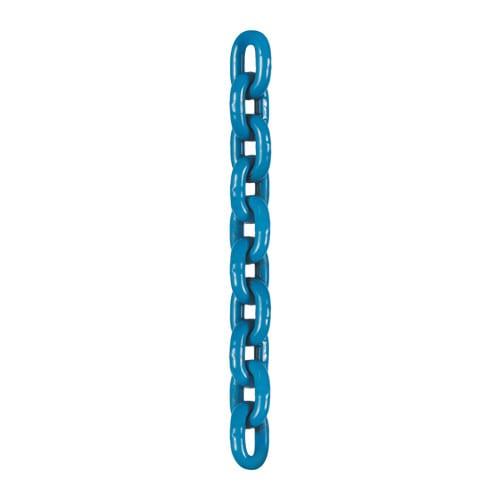
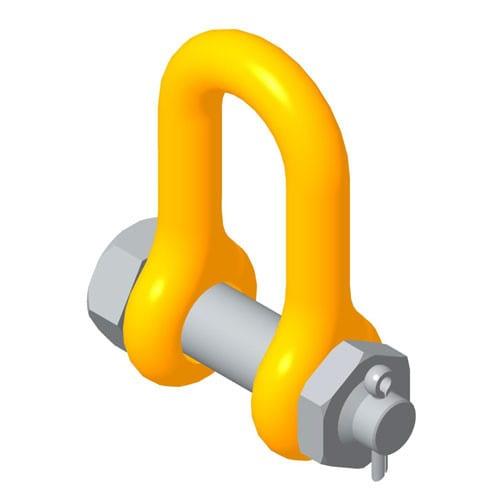
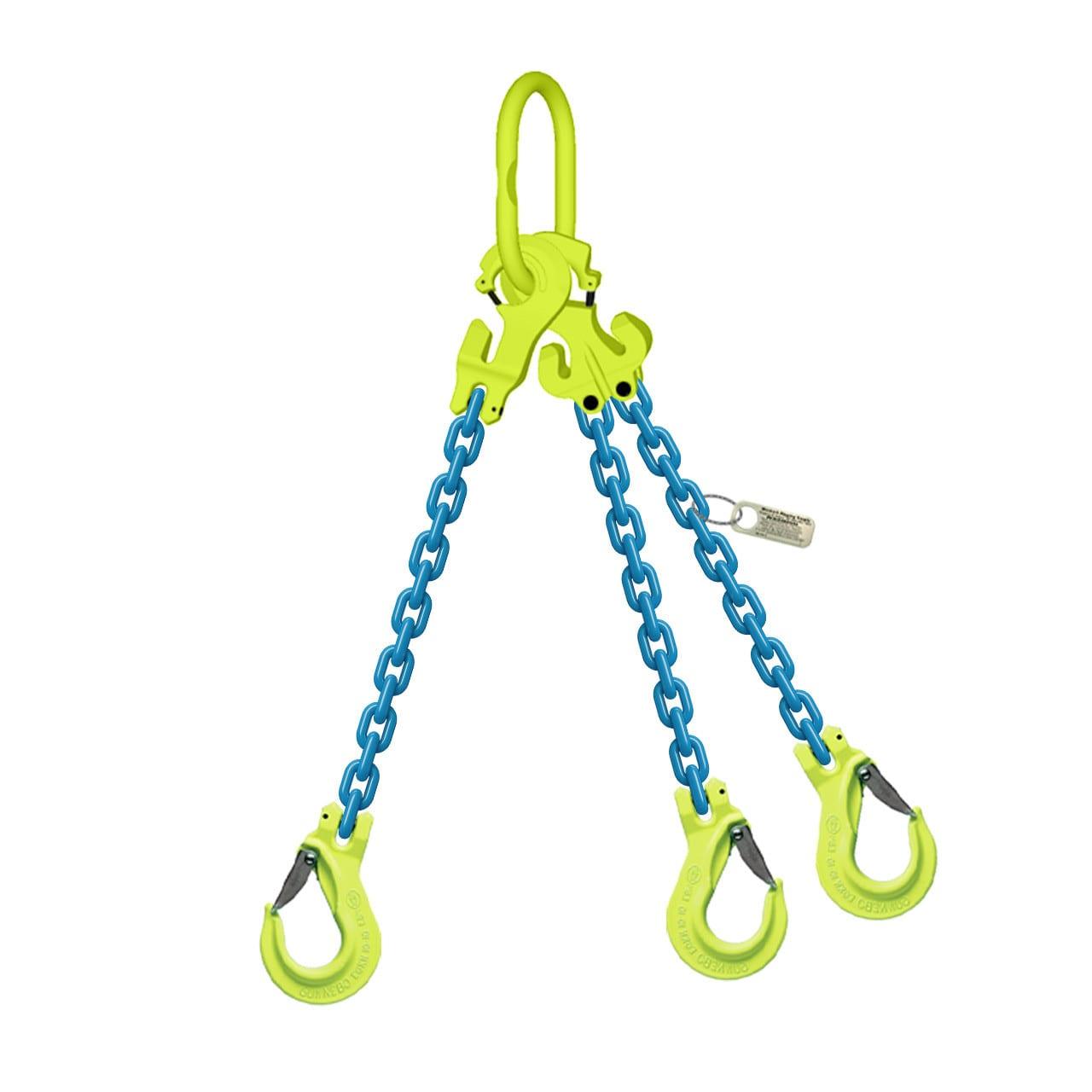
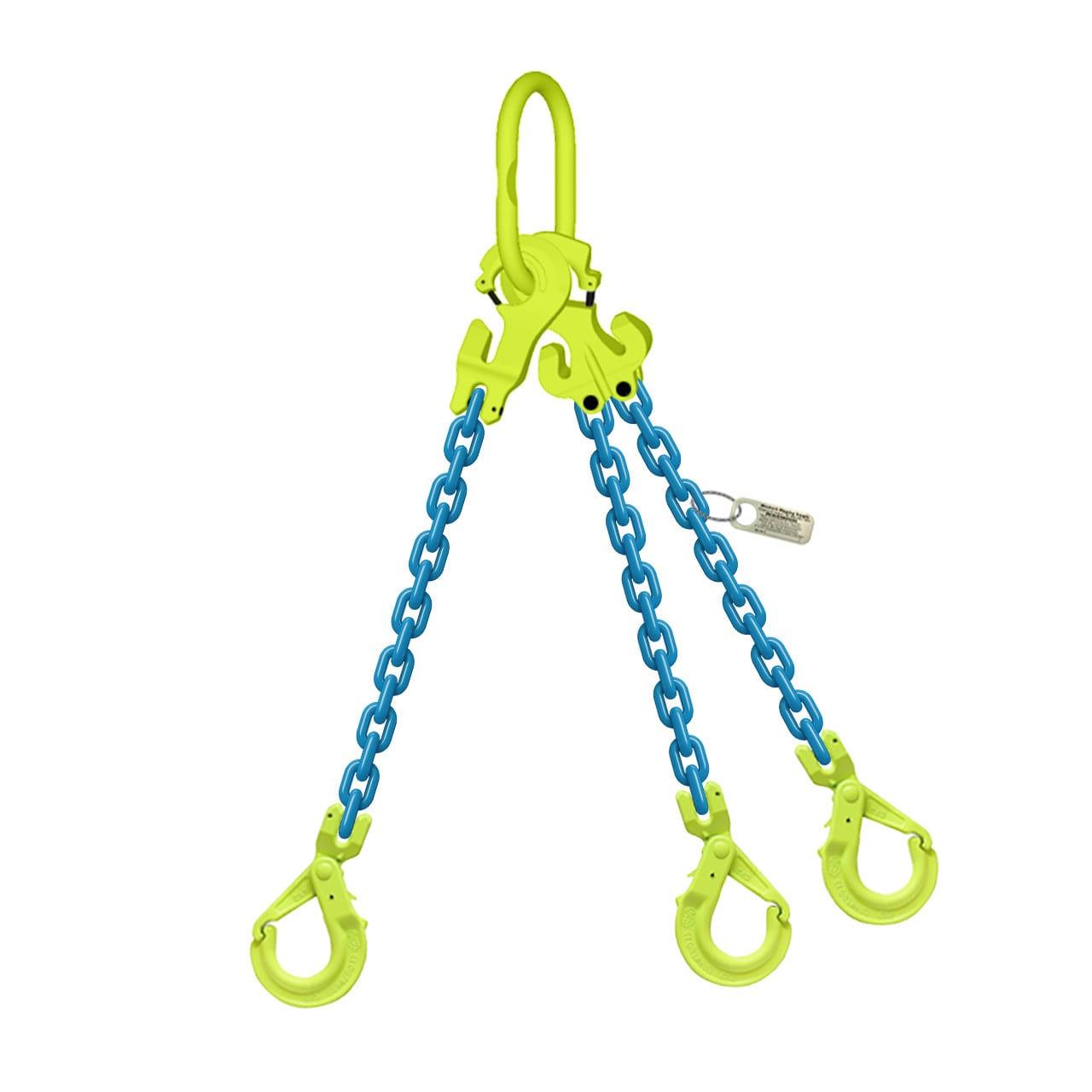
In 2025 and 2026, Sealinkers supplied the KPIL–Gulermak JV's station sites at Bhopal Railway Station and Nadra with chain pulley blocks up to 20 tonnes, lever hoists, wire rope slings up to 64 mm (50 t SWL), shackles up to 55 tonnes and alloy chain slings. This case study sets out the package, the scale of what we supplied, and what heavy rigging on a city-centre station package involves.
The project: 3.39 km of twin tunnels and two underground stations
- Owner. Madhya Pradesh Metro Rail Corporation (MPMRCL). Phase 1 has two corridors totalling 27.87 km [4][5].
- Contract. BH-04 was awarded to the KPIL–Gulermak JV in March 2024 for about Rs 769 crore, with 1,274 days for construction. Its funding comes from a European Investment Bank loan [4].
- Scope. 3.39 km of twin tunnels from a ramp south of Sindhi Colony to a ramp west of Aish Bagh Crossing, cut-and-cover sections, cross passages, ramps and two underground stations, Bhopal Junction (Bhopal Railway Station) and Nadra Bus Stand, including their finishing and services [4][5].
- Machines. At least two TBMs for six tunnel drives [4]. The JV's machines are refurbished Robbins earth pressure balance TBMs that previously bored Mumbai Metro Line 3, and the first passed its factory acceptance tests in Bengaluru in July 2025 [6].
Milestones
KPIL cast the first batch of tunnel ring segments for BH-04 in early 2025 [5]. The two TBMs reached Bhopal in December 2025, and by 1 April 2026 the first, Durgavati, a 5.8 m machine, had been lowered at the Railway Station area and had started the underground corridor, with a reported advance capacity of up to 14 m a day [3][2]. The plan reported for the drives is to launch first from the south shaft at Bhopal Junction towards the Aish Bagh ramp, then relaunch from the north shaft through the Nadra Bus Stand station box to the ramp near Sindhi Colony [6]. Tunnelling beneath a working main-line station and a dense old neighbourhood calls for careful, monitored progress.
How Sealinkers supported the KPIL–Gulermak JV
Our supply in 2025 and 2026 was delivered to the JV's site offices at the Bhopal Railway Station and Nadra metro station sites. In terms of scale:
| Equipment | Scale supplied |
|---|---|
| Chain pulley blocks | 1 t to 20 t |
| Lever hoists | Up to 6 t |
| Wire rope slings | 10 mm to 64 mm; up to 50 t SWL |
| Shackles | Up to 55 t |
| Alloy chain slings | 8 mm to 16 mm |
We have no record of which lift any item served, and we do not claim a part in the TBM launch or any other specific operation. The notes below explain how this class of equipment is typically used on an underground station package.
Heavy rigging on a station package
Chain blocks and lever hoists: positioning, not just lifting
A crane does the heavy lifting on a station site, but a great deal of the work is fine positioning: aligning a steel section, easing a heavy component the last few centimetres, holding a load while it is bolted, or pulling it sideways in a confined space where the crane cannot reach. That is the job of chain pulley blocks and lever hoists. A 20 t chain block is heavy kit and needs a rated anchor point; its suspension hook and load chain should be inspected for stretch and wear before every shift. Lever hoists work in any orientation, which makes them useful for pulling and tensioning, but they must never be extended with a pipe on the handle. See our range of hoists and blocks.
64 mm slings and 50 t ratings
At 64 mm, a wire rope sling is a heavy, stiff piece of equipment. Two points decide whether it delivers its rated capacity. The first is the bend: a sling bent tightly around a small pin or a sharp load edge loses strength, so the shackle pin or load point should be large relative to the rope diameter, and edges should be packed. The second is the eye and the hook: a large-diameter eye must sit in the hook bowl without being pinched at the point. Order heavy slings with the crane hook and shackle sizes in mind. Our wire rope slings are made at our own works and proof-load tested on our 1,200 T test bed.
Shackles up to 55 t
Large shackles join slings to lifting points, spreader beams and each other. Bow shackles suit multi-leg connections and some side loading; dee shackles suit an in-line pull. A shackle loaded at an angle to its plane must be de-rated, and a screw pin that is not seated fully is a common finding on site inspections. Our guides to bow versus dee shackles and shackle size selection cover the details.
Working next to a live railway
A station box beside Bhopal Junction works within tight footprints, traffic and railway restrictions. Lifting windows are often short, so rigging must be ready, inspected and certified before the window opens. Keeping a small reserve of the critical ratings — a spare heavy sling, spare shackles of the large sizes — avoids losing a window to one damaged item.
Lessons for buyers
- 1. Match hoist capacity to the anchor. A 20 t chain block is only as good as the beam or lug it hangs from; size both together.
- 2. Specify heavy slings with their fittings. State the hook and shackle sizes when ordering 50 t slings so the eyes fit.
- 3. Hold spares of critical sizes. Short lifting windows on a city-centre site leave no time to reorder.
- 4. Inspect hoists every shift. Check chain, hooks, latches and brake action before use, and record it.
- 5. Keep certificates on site. Each sling, shackle and hoist should arrive with its test certificate and stay with it.
Frequently asked questions
What did Sealinkers supply to Bhopal Metro?
In 2025 and 2026 we supplied the KPIL–Gulermak JV's BH-04 station sites at Bhopal Railway Station and Nadra with chain pulley blocks up to 20 t, lever hoists, wire rope slings up to 64 mm and 50 t, shackles up to 55 t and alloy chain slings.
What is Bhopal Metro package BH-04?
BH-04 is the underground section of the Orange Line: 3.39 km of twin tunnels with underground stations at Bhopal Junction and Nadra Bus Stand, built by the KPIL–Gulermak joint venture for MPMRCL [4].
Are your chain blocks and slings tested?
Yes. Items are dispatched with test certificates, and our slings are proof-load tested at our in-house test house. Third-party inspection can be arranged on request; see inspection and certification.
Do you deliver to Madhya Pradesh?
Yes. We deliver across India from Mumbai.
Planning a station or shaft package?
Send us your rigging list or lift schedule. We will propose hoists, slings and shackles to suit, with certificates. Contact Sealinkers.
Sources
- [1] Free Press Journal, CM Mohan Yadav and Union Minister Khattar inaugurate Bhopal Metro Orange Line, commercial run from December 21, 20 December 2025 — freepressjournal.in
- [2] Free Press Journal, Bhopal News: Metro tunnel work starts with tunnel boring machine launch, 30 March 2026 — freepressjournal.in
- [3] The Hitavada, Bhopal Metro begins underground tunnelling with TBM Durgavati, 1 April 2026 — thehitavada.com
- [4] The Metro Rail Guy, KPIL–Gulermak JV awarded Bhopal Metro's BH-04 underground contract, 21 March 2024 — themetrorailguy.com
- [5] Indian Infrastructure, Kalpataru Projects International Limited casts first batch of package BH-04 under Bhopal Metro Phase I, 6 March 2025 — indianinfrastructure.com
- [6] The Metro Rail Guy, Bhopal Metro's 1st tunnel boring machine 427 passes factory tests, 6 July 2025 — themetrorailguy.com
Cover photo: Bhopal Metro, Rani Kamlapati station on the priority corridor under construction, November 2023, by Suyash.dwivedi, Wikimedia Commons, CC BY-SA 4.0. Photos are resized and are not endorsed by their authors.
Related Guides
Ready to put this into practice?
Every item ships certified, and our in-house test house backs it with the paperwork.
Sealinkers Engineering
Rigging & Lifting Engineering Team
Sealinkers has supplied and certified rigging, lifting and mooring equipment from Darukhana, Mumbai since 1977. These guides are written and checked by the engineers who specify this gear and proof-load it on our own test bed.
- in-house test house — proof-load bed from 1 to 1,200 tonnes
- Proof-load testing and certification in-house since 1977, Darukhana, Mumbai
- Class-society interfaces: IRS, ABS, LRS and BV