A new PVC complex rising on the Kutch coast
Mundra Petrochem Ltd, a subsidiary of Adani Enterprises, is building a PVC complex on Adani Ports & SEZ land at Mundra in Kutch, Gujarat [1]. The first phase is 1 MTPA of PVC, integrated with chlor-alkali, calcium carbide and acetylene units, with commissioning targeted for fiscal 2028; capacity could later go to 2 MTPA [2]. The project was reshaped in 2024 around an acetylene and calcium-carbide route to PVC, with SBI-led financing [1]. In November 2025, Adani Enterprises told investors that the 1 MMTPA PVC project was progressing as per schedule [4].
The plant answers a real gap. India uses about 4 million tonnes of PVC a year, against domestic capacity of about 1.59 million tonnes [2]. The chlor-alkali plant alone is a major build: Nuberg EPC was appointed in 2024 to deliver EPCM services for a 2,200 tonne-a-day caustic soda plant within the complex, on a 15-month schedule [3].
Between late 2024 and 2025, Sealinkers supplied Mundra Petrochem directly with heavy-lift rigging for its site at Mundra. This case study describes the project, what we supplied, and what heavy lifting for a carbide, chlor-alkali and PVC complex asks of shackles and slings. Supply details come from our own order and dispatch records; project facts are cited to public sources listed at the end.
The project
- Owner: Mundra Petrochem Ltd, a subsidiary of Adani Enterprises, on APSEZ land at Mundra [1].
- Phase I: 1 MTPA of PVC with chlor-alkali, calcium carbide and acetylene units [2].
- Process: acetylene and calcium-carbide-based PVC [1][2].
- Chlor-alkali: a 2,200 TPD caustic soda plant, with Nuberg EPC as EPCM contractor [3].
- Schedule: commissioning targeted for fiscal 2028 [2]; reported as progressing as per schedule in November 2025 [4].
- Future: a possible second step to 2 MTPA if demand grows [2].
Each part of the complex brings its own heavy lifts. Carbide furnaces arrive as heavy shells, electrode systems and transformers. Acetylene and VCM sections need columns, reactors and vessels. Chlor-alkali cell rooms involve many repeat lifts of electrolyser elements and lined equipment. Pipe racks and structural steel need modules lifted in sequence.
How Sealinkers supported Mundra Petrochem
We supplied Mundra Petrochem directly, at its petrochemical site near the Adani Power plant at Mundra, in lots in 2024 and 2025:
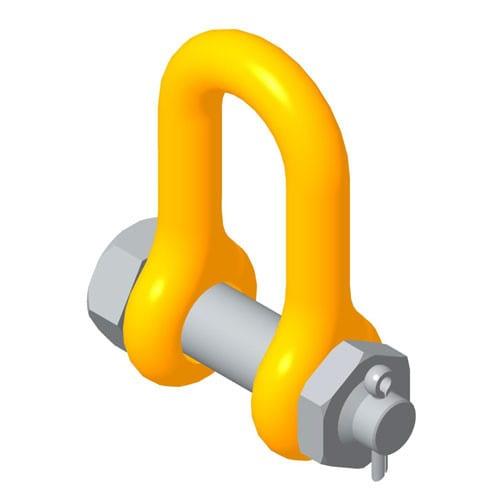
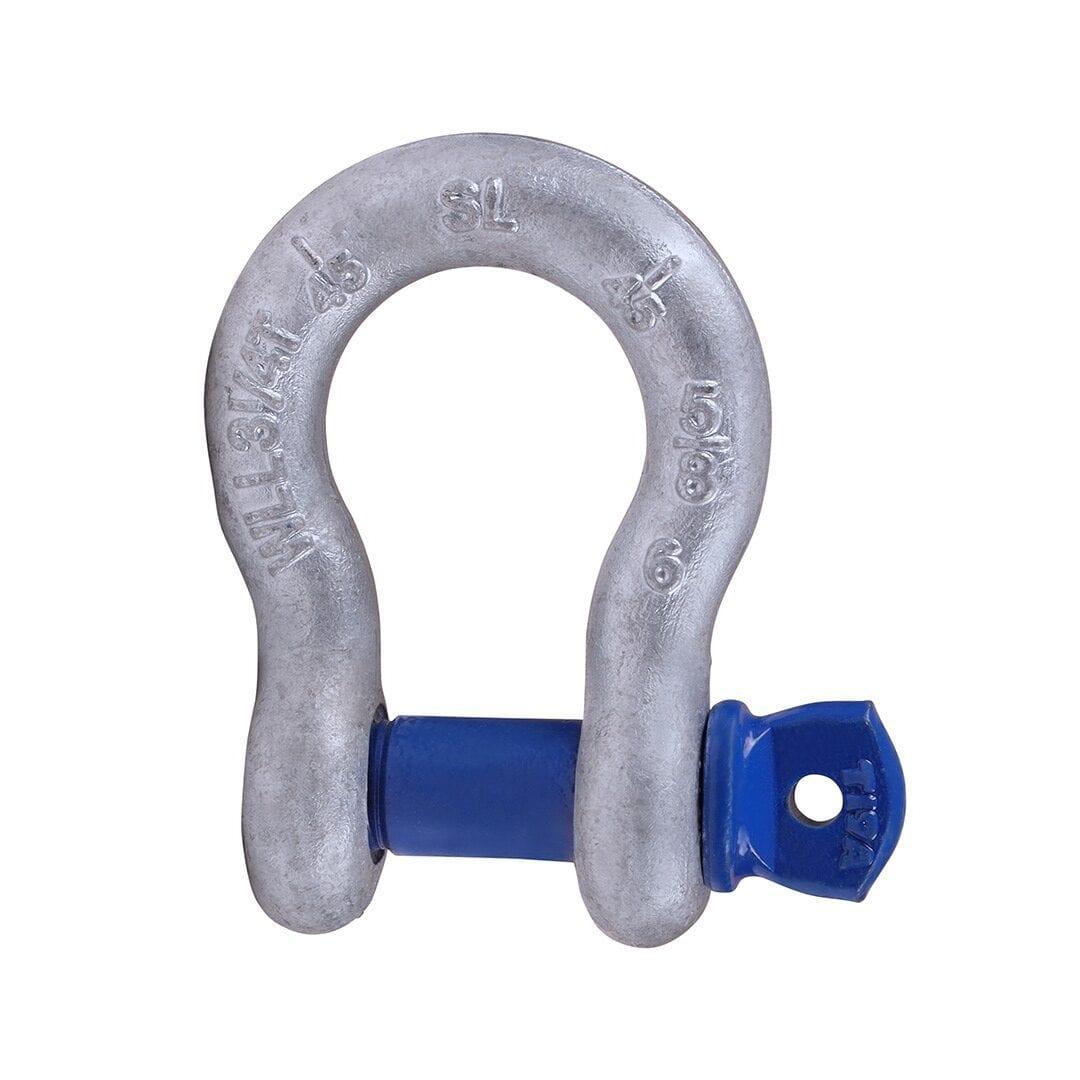
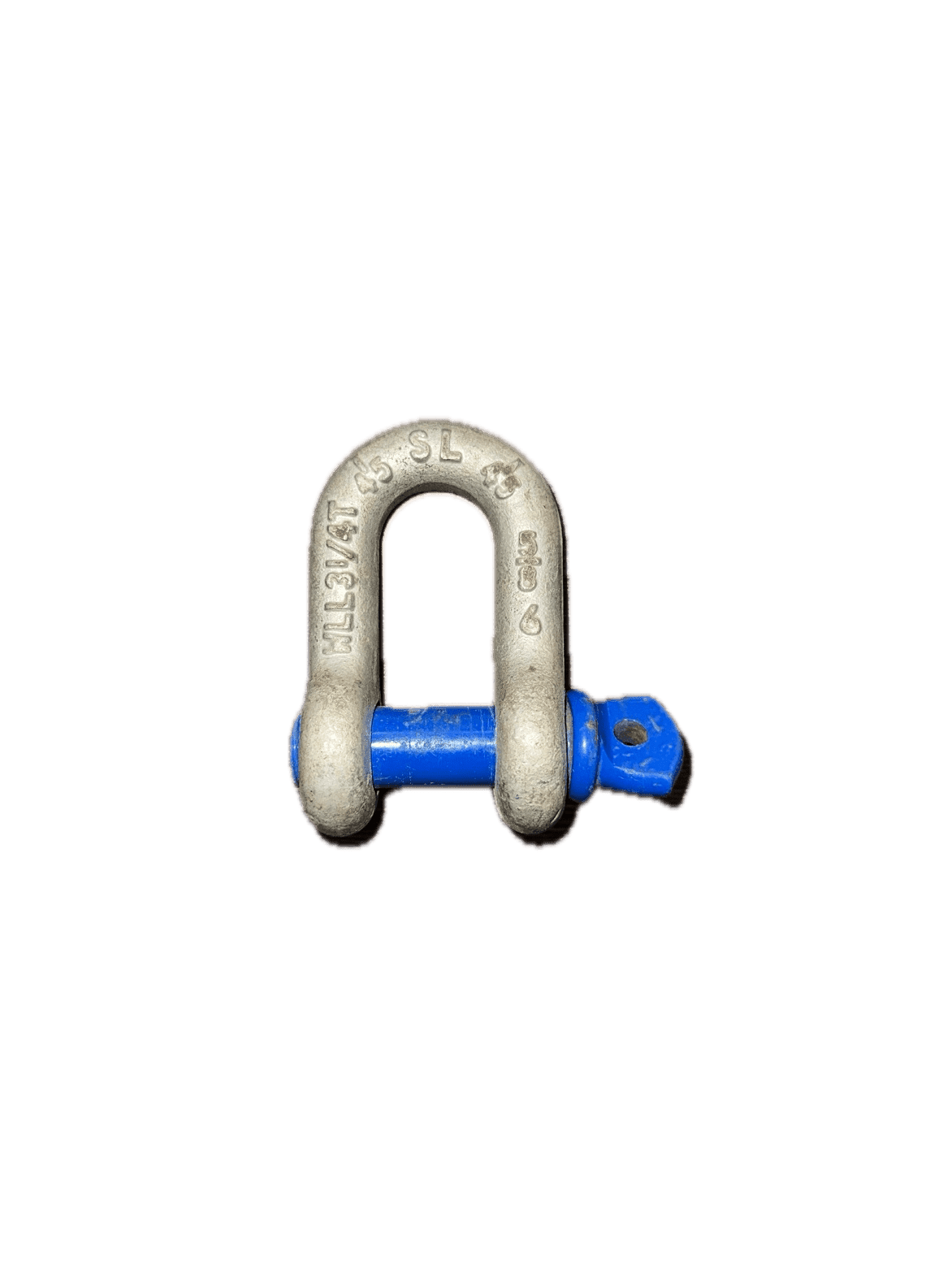
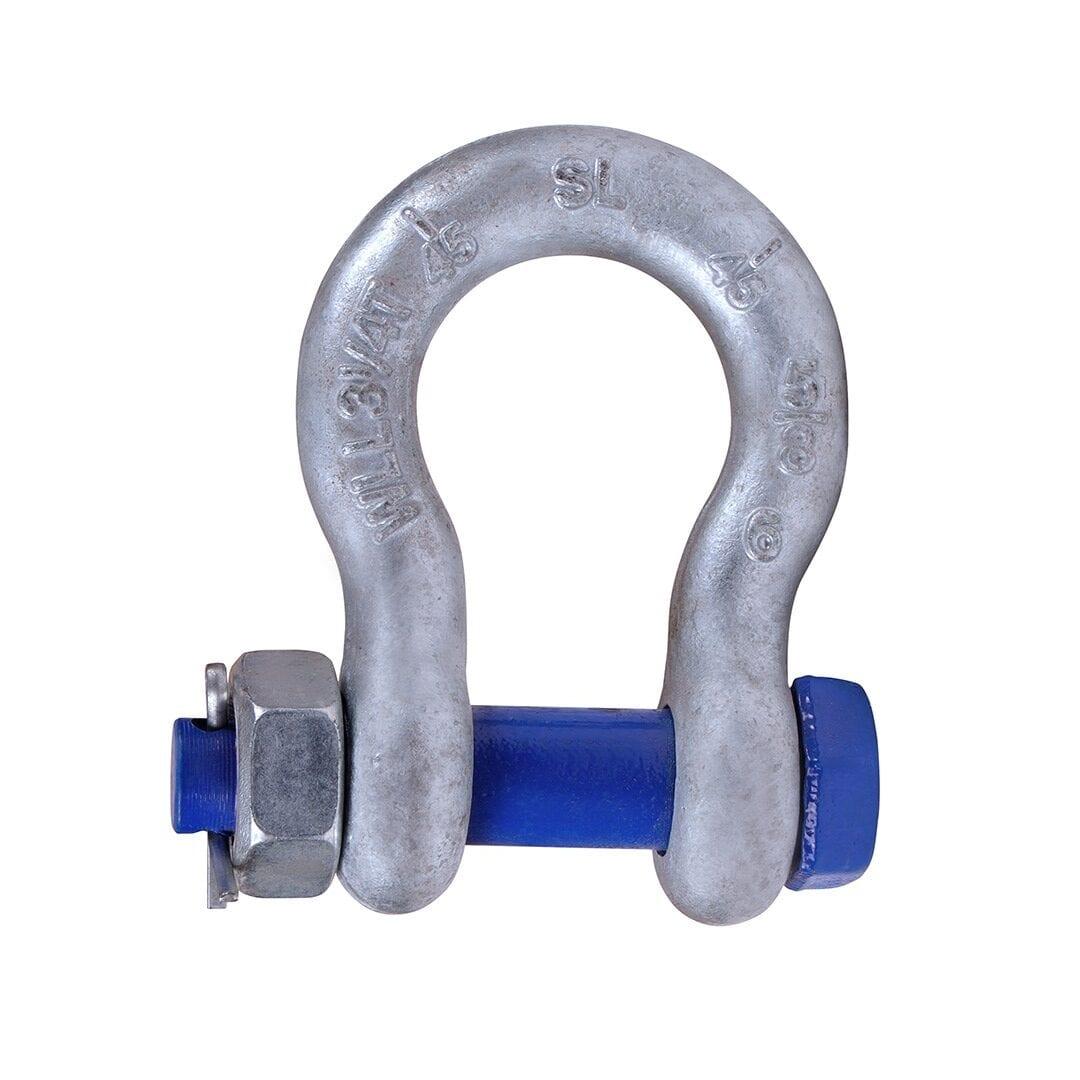
- Crosby shackles from 9.5 t to 150 t, hot-dip galvanised: G-2130 bolt-type bow shackles, G-2140 alloy bow shackles, and a G-2160 wide-body shackle at 125 t. See shackles.
- Usha Martin 6x36 steel-core wire rope slings from 24 mm to 103 mm, with working load limits from 7 t to 150 t, made at our own works. See wire rope slings.
- Zebra polyester webbing slings and round slings with capacities up to 30 t. See Zebra Weblift.
Selected consignments were inspected by SGS before dispatch.
What a carbide, chlor-alkali and PVC complex asks of heavy rigging
The wide-body shackle at the top of a heavy lift
The pin of a standard bow shackle is small next to a 90 mm or 103 mm sling eye. A wire rope bent sharply around a small diameter loses part of its strength, and its outer wires are crushed. A wide-body shackle such as the Crosby G-2160 replaces the narrow bow with a broad, curved saddle. The sling eye or grommet then sits on a much larger radius, so it keeps more of its rated strength. That is why heavy lifts often put a wide-body shackle where the main sling meets the hook or lifting beam. Bolt-type G-2130 shackles connect the lower rigging to trunnions and lugs, and alloy G-2140 shackles give more capacity for their size.
A 103 mm sling is a heavy item in itself
Large-diameter wire rope is heavy. A 6x36 steel-core rope of 103 mm weighs roughly 45 kg a metre, so a 10 m sling with its ferrules weighs about half a tonne. That has practical consequences on site:
- 1. Plan the handling. Rigging and de-rigging a heavy sling needs a crane or forklift, not a rigging gang alone. Build that time into the lift plan.
- 2. Protect the sling between lifts. Store it on timber, off the ground, and away from the salt and dust of a coastal site.
- 3. Make and test it as one item. Each eye is formed and ferrule-secured on a heavy press. The finished sling is then proof-load tested, typically at twice its working load limit, and tagged. Our slings are tested at our in-house test house, on a 1,200 T proof-load test bed. See proof-load testing.
Synthetic slings for lined and coated equipment
Chlor-alkali plants handle chlorine, brine and caustic. Much of their equipment is therefore rubber-lined, FRP or specially coated, and a steel sling would scratch or crack it. Polyester webbing slings and round slings spread the load over a wide area. Round slings in particular wrap snugly around cylindrical vessels and pipe spools. Two points matter on site:
- 1. Read the label, not only the colour. Under the common colour code, every round sling of 10 t and above is orange. A 10 t, a 12 t and a 30 t sling look alike, and only the label tells them apart.
- 2. Protect against edges and chemicals. Use sleeves or corner pads on sharp edges. Keep polyester slings away from strong alkali residues, and discard any sling with a damaged cover or missing label.
See our webbing sling selection guide.
Wind, heat and inspection on the Kutch coast
Mundra is flat, open coast. Wind can approach crane limits on long-boom lifts, so heavy lifts are planned around the forecast and often scheduled for calmer hours. Heat and salt also affect the rigging. Galvanised shackles resist corrosion between lifts, while ungalvanised steel slings need lubrication and inspection for broken wires and corrosion before each use. For a project of this size, owners usually require third-party inspection before dispatch. Building that inspection call into the delivery plan keeps material moving to site.
Lessons for petrochemical project buyers
- 1. Specify the shackle model with the sling: wide-body where a large sling eye meets the hook, bolt-type at trunnions and lugs.
- 2. Order slings above 76 mm early. They are made to order and proof-load tested.
- 3. Allow for sling weight in the handling plan and in the crane's load chart.
- 4. Use synthetic slings on lined and coated items, and check labels, not colours.
- 5. Plan third-party inspection before the crane is booked.
Frequently asked questions
What did Sealinkers supply to Mundra Petrochem?
In 2024 and 2025 we supplied Crosby shackles from 9.5 t to 150 t, including a 125 t G-2160 wide-body shackle, Usha Martin 6x36 wire rope slings from 24 mm to 103 mm (working load limits up to 150 t), and Zebra polyester webbing and round slings up to 30 t.
Was the material inspected before dispatch?
Yes. Selected consignments were inspected by SGS before dispatch. We arrange inspection by the agency the client names, including class societies such as IRS, ABS, LRS and BV.
Why use a wide-body shackle?
A wide-body shackle gives a large sling eye or grommet a broad, curved bearing surface, so the sling is not bent sharply over a small pin. This keeps more of the sling's strength in service.
Can you make wire rope slings above 100 mm?
Yes. We make large-diameter wire rope slings at our own works and proof-load test them in our test house. Send us the load, the lift geometry and the length you need.
Planning heavy lifts for a petrochemical build?
Send us your lift plan or rigging list. We will quote matched shackles, steel slings and synthetic slings, with certificates and the inspection your client requires. Contact Sealinkers.
Sources
- [1] Polymerupdate, report on the revival of Adani's Mundra PVC project, 29 July 2024 — polymerupdate.com
- [2] PTI via The Week, report on Adani's 1 MTPA PVC plant at Mundra, 6 July 2025 — theweek.in
- [3] Hydrocarbon Engineering, "Nuberg EPC receives contract for chlor-alkali project", 12 April 2024 — hydrocarbonengineering.com
- [4] Adani Enterprises, Q2 and H1 FY26 earnings conference call transcript, 4 November 2025 — adanienterprises.com
Related Guides
Ready to put this into practice?
Every item ships certified, and our in-house test house backs it with the paperwork.
Sealinkers Engineering
Rigging & Lifting Engineering Team
Sealinkers has supplied and certified rigging, lifting and mooring equipment from Darukhana, Mumbai since 1977. These guides are written and checked by the engineers who specify this gear and proof-load it on our own test bed.
- in-house test house — proof-load bed from 1 to 1,200 tonnes
- Proof-load testing and certification in-house since 1977, Darukhana, Mumbai
- Class-society interfaces: IRS, ABS, LRS and BV