
Services · Paperwork that matches the gear
Inspection & certification
Test and thorough-examination certificates issued in our own name by our competent person, against the item's serial number — and help reading the paperwork you are offered.
- Certificates on the serial number
- Class-witnessed: IRS · ABS · LRS · BV
- Re-test and re-certification of your gear
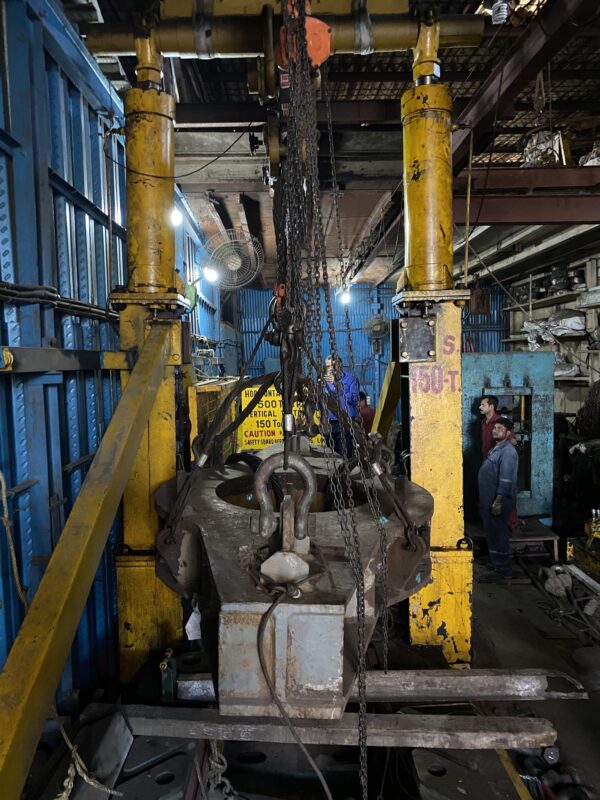
Certificates we issue
Issued in our own name by our competent person.
Test and thorough-examination certificate, issued against the serial number
Our main certificate: the item examined and proof-loaded, recorded against its serial number.
Proof-load certificate
The load the item was actually pulled to, for jobs that ask for it separately.
Certificate of conformity
Confirms the item matches the standard or specification it was ordered to.
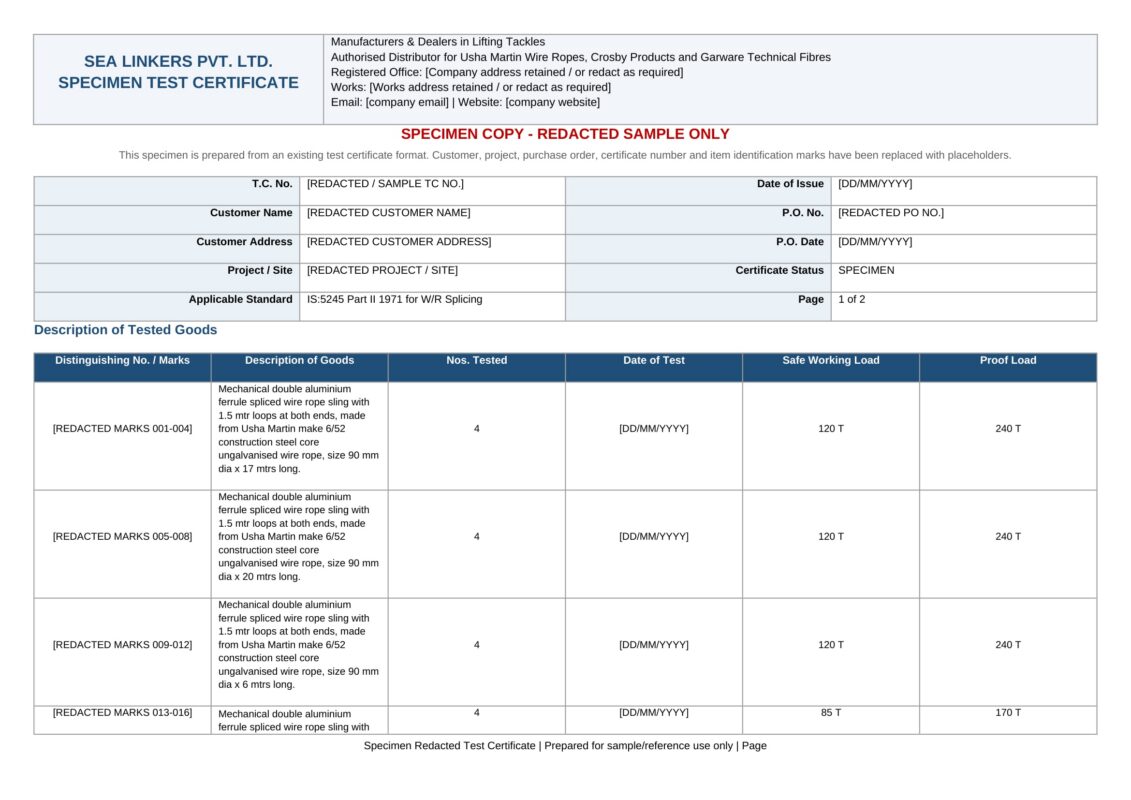
Specimen
What is on our certificate
Every certificate is traceable to the serial number on the item, and records the proof load applied and the working load limit. The item leaves tagged with the same serial number.
- Item description and serial number
- Proof load applied
- Working load limit
- Class-society witness, where the job is surveyed
Buying certified gear
The five documents to ask for — and the one that is usually missing
Works test certificate
From the mill that made the material.
Proof-load certificate
The load the item was actually pulled to.
Breaking-load certificate
This is the one. It requires a destructive test on a sample from your batch — so a seller who cannot tell you which batch your goods came from cannot produce it.
Class certificate
Where the job is surveyed — IRS, ABS, LRS or BV.
Works approval certificate
The maker's approval, typically valid five years.
Ask for all five before you accept gear offered as certified.
Field notes
What we see on the test floor
Six things that turn up again and again when gear comes in for test.
Mismatched grade
Slings presented as Grade 100 where the master link and hooks are stamped Grade 8.
Mismatched paperwork
Genuine EN 818 chain assembled with unmarked or lower-grade components. The most common standards problem is not fake chain — it is mismatched paperwork.
Hidden core
Ropes with bright, sound exteriors whose cores have rusted to powder.
Swapped pins
Shackles bought correctly, but with pins swapped between bodies over years of use.
Sling angle
Two-leg sets showing stretch or crushing damage at identical positions on both legs — almost always the survivors of habitual shallow-angle lifting.
Never registered
The commonest compliance failure is not a failed test. It is gear that was never entered in the register at all, so nobody tracked its due date.
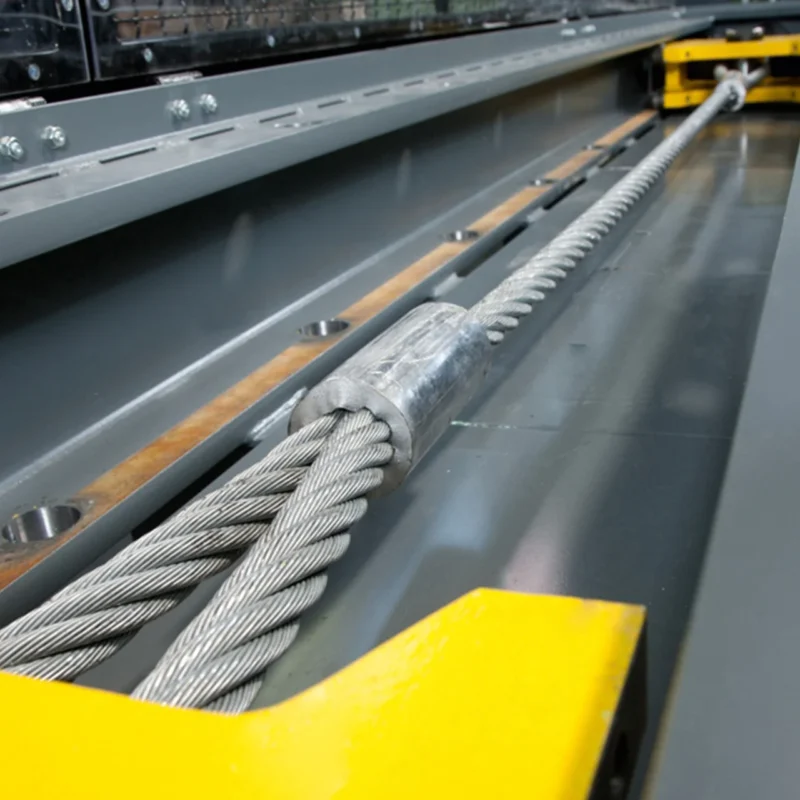
Your gear
Re-test and re-certification
Lifting gear needs examining at intervals through its life. Send it to our test house, or we come to you, and it returns with a fresh certificate on its serial number.
- Proof-loaded on our own machines, 1 to 1,200 T
- On site with water bags and load cells
- Grades, markings and paperwork checked against each other
Class societies whose rules we test to

Frequently asked questions
What is the difference between a proof-load and a breaking-load certificate?
A proof-load certificate records the load the item was actually pulled to. A breaking-load certificate needs a destructive test on a sample from your batch, so a seller who cannot tell you which batch your goods came from cannot produce it.
Can you certify gear we bought elsewhere?
Yes. Send it to our test house, or we test it on site. It is proof-loaded, examined and certified in our own name on its serial number.
Which class societies witness your tests?
IRS · ABS · LRS · BV — Indian Register of Shipping, American Bureau of Shipping, Lloyd's Register and Bureau Veritas — where the job is surveyed.
What is a works approval certificate?
The manufacturer's approval from the class society, typically valid for five years. Ask for it alongside the test certificates.
Why does a register matter?
The commonest compliance failure we see is not a failed test. It is gear that was never entered in the register, so nobody tracked when it was due for re-examination.
Our other services
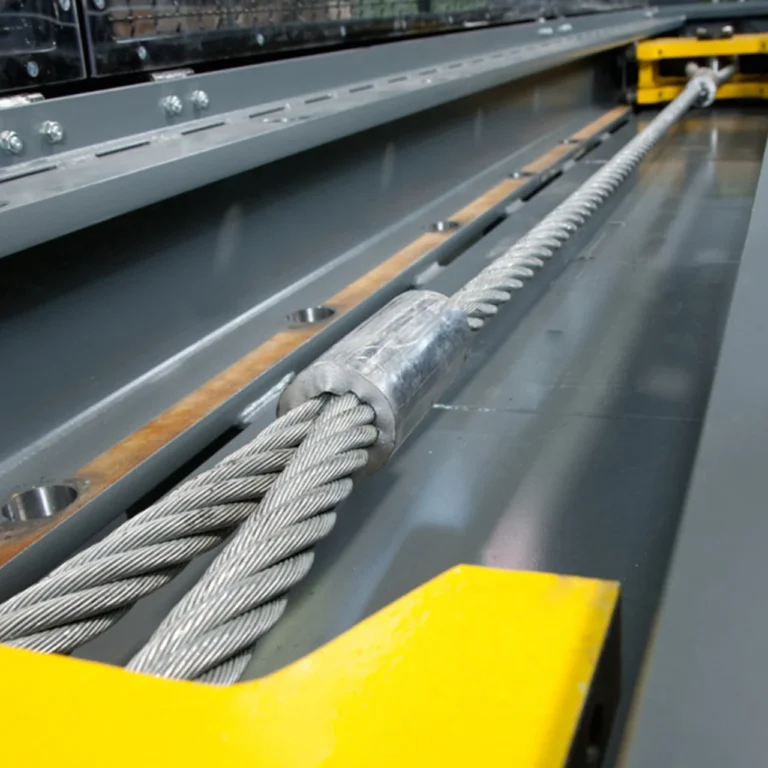 1 to 1,200 T
Proof-load testing
Slings, fittings and assemblies proof-loaded on our own machines and certified on their serial number.
Read more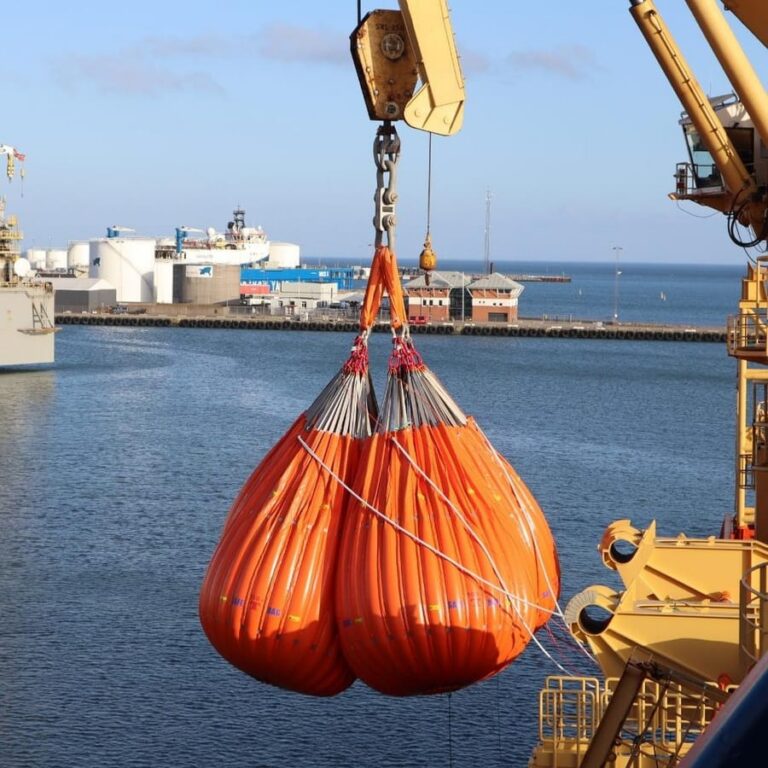 Load cells to 3,000 t
On-site load testing
Water bags and load cells brought to gear that cannot come to us.
Read more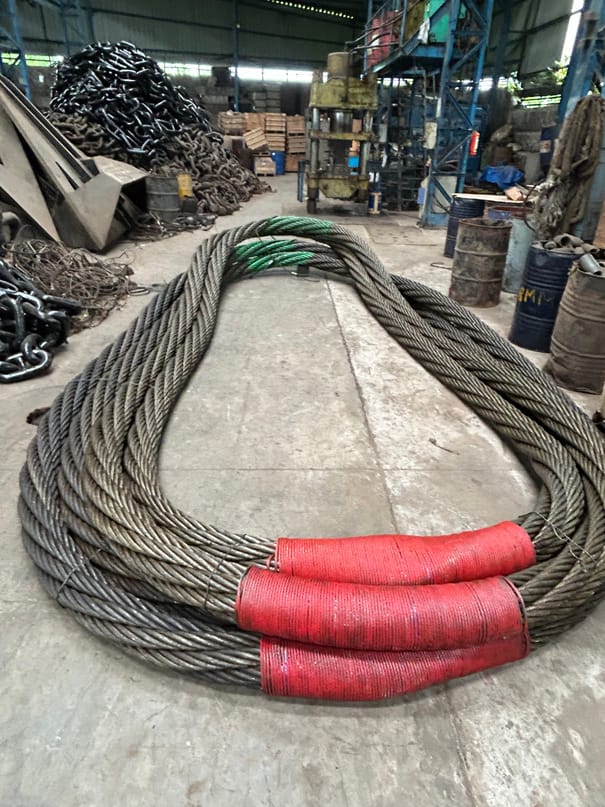 3,000 t swaging machine
Sling manufacturing & swaging
Wire rope, chain and webbing slings made to your load in our own works.
Read more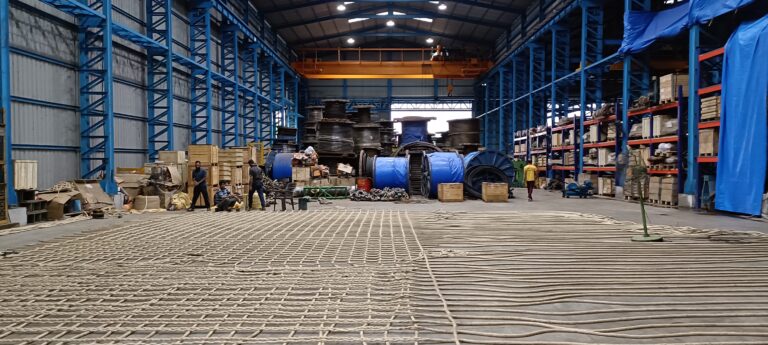 23,500+ items
Stock & despatch
Five warehouses around Mumbai; ex-stock orders leave within 72 hours.
Read moreNeed gear certified?
Tell us what it is, how many and where — we reply with the test, the certificate and a price.