A new vinyl chain inside an operating cracker complex
Reliance Industries is adding vinyl chloride monomer (VCM) and PVC capacity at its Nagothane Manufacturing Division in Raigad, Maharashtra. At its August 2024 annual general meeting, Reliance said it would add 1.5 MMTPA of PVC and CPVC capacity across Dahej and Nagothane, alongside its existing 750,000 tonnes a year of PVC [2]. The work is split between the two sites: VCM and PVC at Nagothane; caustic-chlorine, EDC and CPVC at Dahej. Reliance has said construction will be commissioned in 2026–27, with the financial benefit following in 2027–28 [3].
Nagothane is no greenfield site. The complex already runs a gas cracker producing 510,000 tonnes a year of ethylene. Its other units make propylene, ethylene oxide and glycol, 350,000 tonnes a year of polyethylene and 150,000 tonnes a year of polypropylene, with 100 MW of captive power and feedstock piped in from Uran [1]. Building a new vinyl chain inside a running petrochemical complex is a significant piece of engineering. Every heavy lift happens next to live plant.
In 2025–26, Sealinkers supplied heavy lifting gear to L&T Energy Hydrocarbon for its work on Reliance's Vinyl Programme at Nagothane. This case study describes the programme, what we supplied to L&T, and what heavy rigging inside an operating complex asks of the buyer. Supply details come from our own order and dispatch records; project facts are cited to public sources listed at the end.
The Nagothane complex and the Vinyl Programme
- Location. Reliance's Nagothane Manufacturing Division, Raigad district, Maharashtra [1].
- Existing plant. Gas cracker (510,000 TPA ethylene), propylene, ethylene oxide and ethylene glycol, LLDPE/HDPE (350,000 TPA), polypropylene (150 KTA) and 100 MW captive power [1].
- New units. VCM and PVC at Nagothane, as part of Reliance's plan to add 1.5 MMTPA of PVC and CPVC across Nagothane and Dahej [2][3].
- Timing. Construction to be commissioned in 2026–27, with earnings from 2027–28 [3].
A VCM and PVC train needs cracking furnaces, distillation columns, polymerisation reactors, strippers, dryers and silos. Each is set by crane on a plot bounded by existing pipe racks and running units.
How Sealinkers supported L&T on Reliance's Vinyl Programme
Our customer on this project is L&T Energy Hydrocarbon. In 2025–26 we supplied L&T, for its work on Reliance's Vinyl Programme, with heavy lifting gear delivered to L&T's site store inside the Nagothane complex against L&T purchase orders:
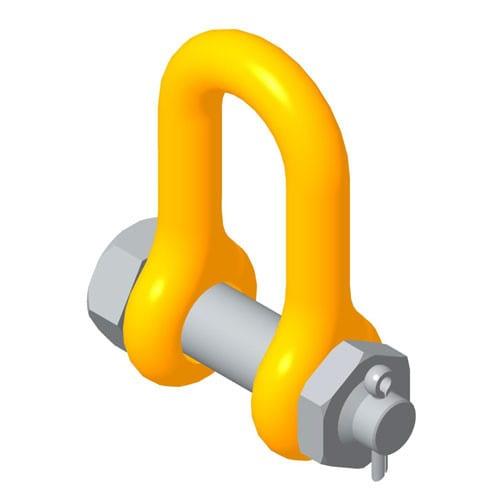
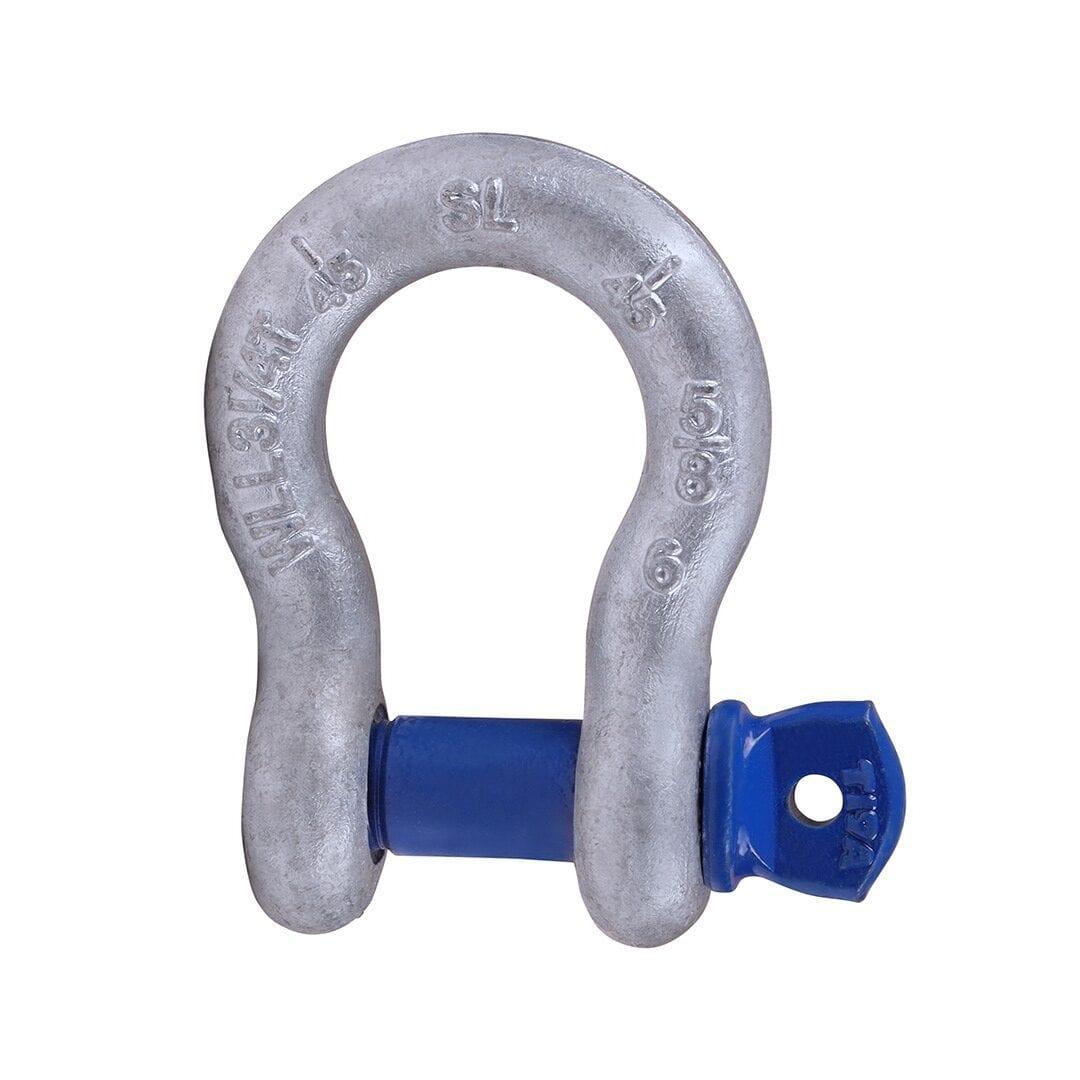
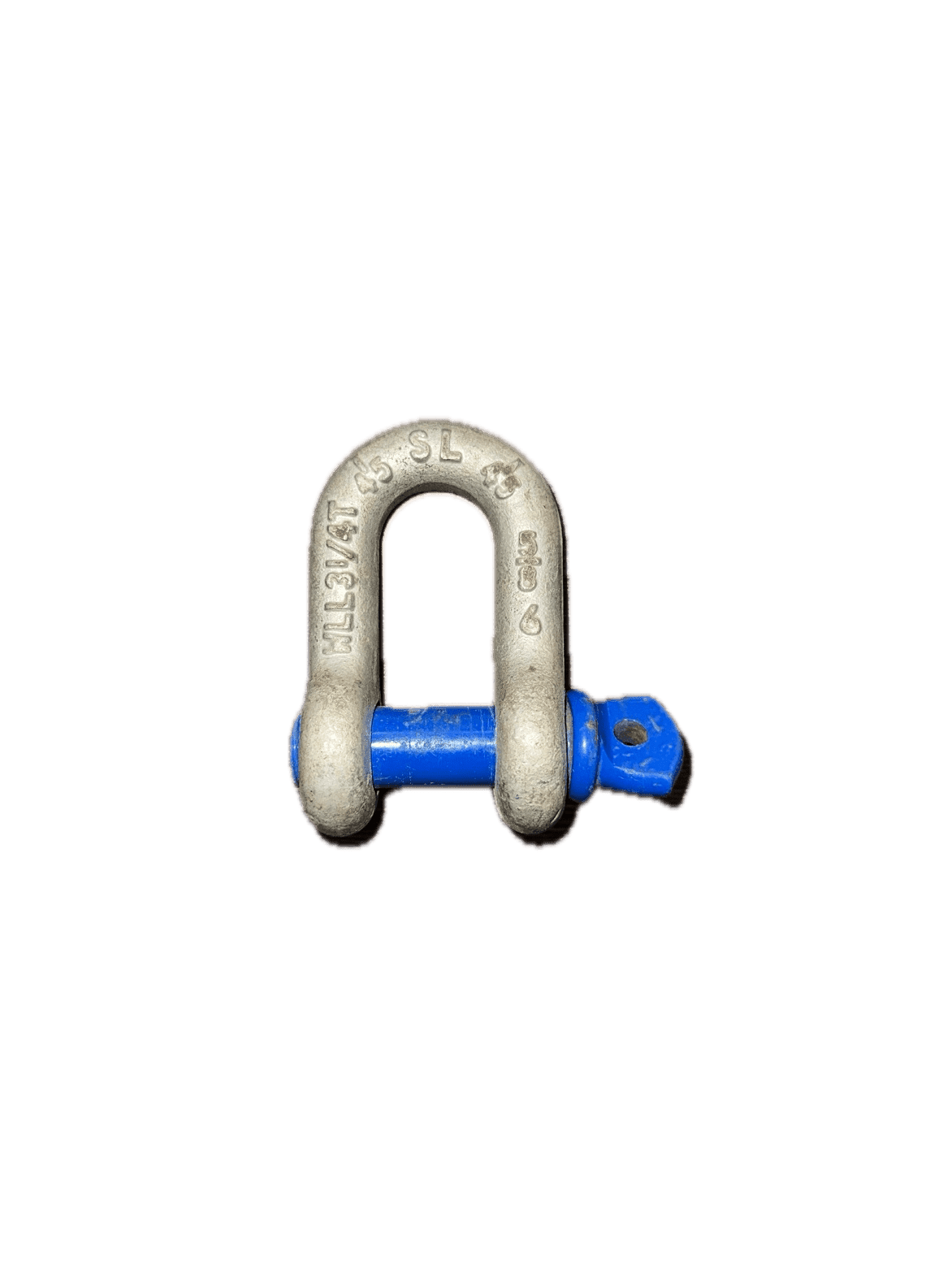
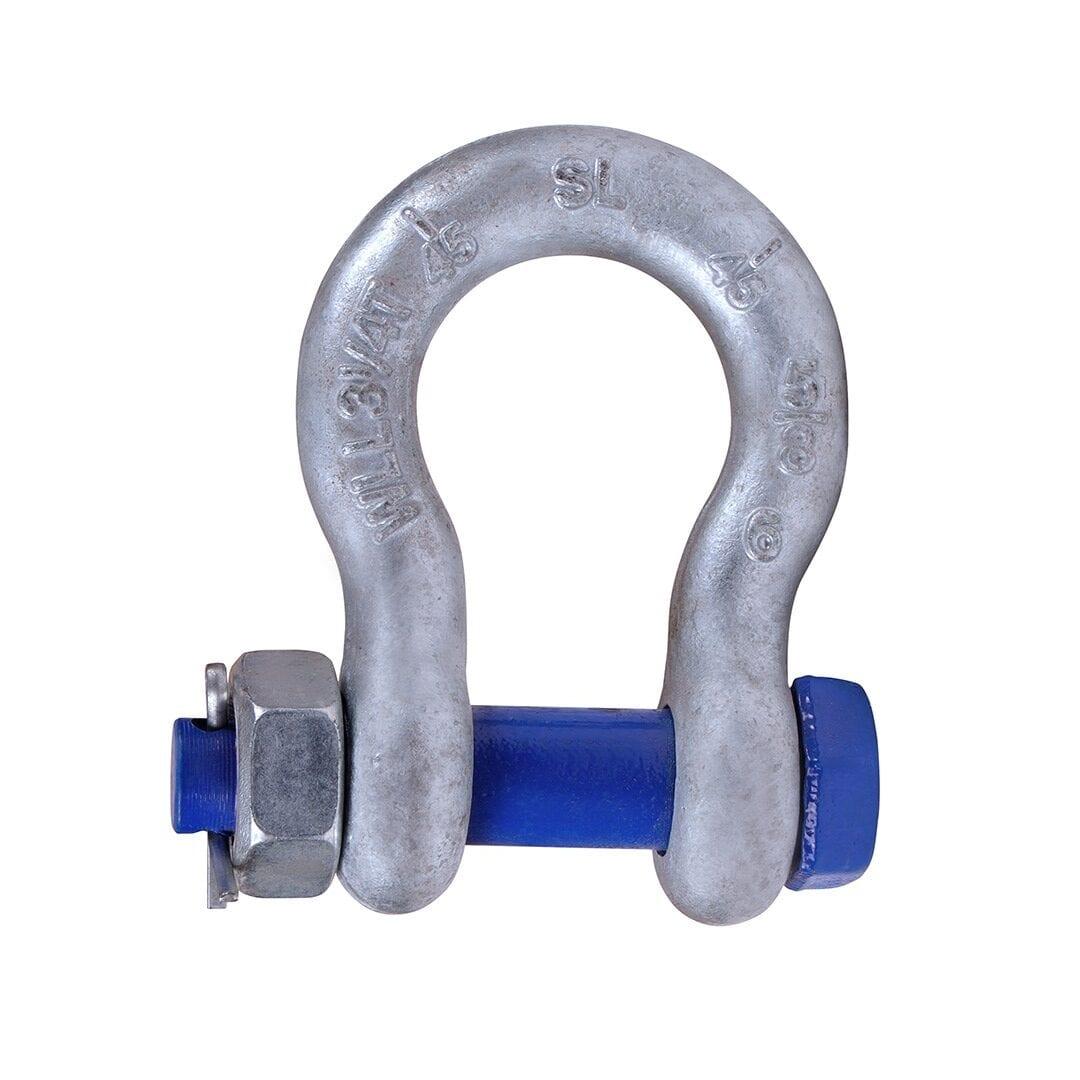
- Crosby G-2130 hot-dip galvanised bolt-type bow shackles from 35 t to 150 t, with Crosby G-209 screw-pin bow shackles for lighter rigging. See Crosby.
- Usha Martin 6x36 steel-core wire rope slings from 25 mm to 76 mm, with working load limits from 7 t to 80 t, made at our own works. See wire rope slings.
- 12 mm Usha Martin wire rope for use as guide rope.
Material went out with manufacturer test certificates. Our slings are proof-load tested at our in-house test house, on a 1,200 T proof-load test bed, before dispatch.
What heavy lifting inside an operating complex asks of rigging
Lifting next to live plant
On a greenfield plot, a crane can be placed where the lift plan wants it. Inside an operating cracker complex, the crane goes where the plot allows. Its boom may have to swing near pipe racks carrying hydrocarbons, steam or power cables. That changes how the rigging is chosen. Rigging is sized with margin, because a load that swings or rotates unexpectedly has little room to move. Each set is inspected and tagged before it goes under a load, because a dropped item can damage running plant as well as injure people. And the paperwork must be ready for the owner's permit-to-work system: test certificates that match the tags on the gear, and a rigging list for each lift.
Bolt-type and screw-pin bow shackles: different jobs
The supply combined two shackle types, and they do different jobs.
- 1. Bolt-type (G-2130 style). The pin is held by a nut and a cotter pin, so it cannot unscrew if the load or sling makes it rotate. Use it for heavy lifts, for rigging left in place for some time, and wherever the pin could turn.
- 2. Screw-pin (G-209 style). The threaded pin is quick to fit and remove. That suits rigging changed many times a day on lighter lifts, but the pin must be fully screwed home and checked before each lift.
A bow shackle also accepts more than one sling leg on its bow. Its rated load falls when it is loaded at an angle to its centreline. Manufacturers typically derate it to about 70% at 45° and 50% at 90°. Load the pin with one eye or the hook, put the sling legs in the bow, and keep the included angle small. Our bow vs dee shackle guide goes further.
Matching the sling to the shackle and the angle
A 76 mm 6x36 sling with an 80 t working load limit belongs on a shackle of matching capacity. The sling eye should sit on the shackle bow or pin without being bent so sharply that it loses strength. When two or four legs hang from one hook, the angle between them adds tension in each leg. At 60° from vertical, each leg carries twice its share of the vertical load. So the shackle and the sling are chosen together for the actual geometry of the lift, not just for the weight of the load. See sling angle effects on SWL.
Guide rope and load control
Steadying a long column or a pipe-rack module as it is raised and set is part of every heavy lift. Guide ropes and tag lines let the crew stop a load from rotating into the boom, a structure or a live line. A few rules apply to them:
- 1. Never wrap a guide rope around a hand or body.
- 2. Keep wire rope guides well clear of overhead electrical lines. Steel conducts.
- 3. Size the rope for the pull, not just for the length.
Galvanised gear for the Konkan monsoon
Raigad's coastal monsoon brings months of heavy rain and humid, salty air. Hot-dip galvanised shackles resist the rust that would otherwise pit pins and bows stored on an open site. Ungalvanised wire rope slings need lubrication and dry storage between lifts. Inspect slings for corrosion and broken wires before each use during the wet season.
Lessons for EPC buyers on brownfield sites
- 1. Specify the shackle model, not just the capacity. "Crosby G-2130 150 t" and "150 t shackle" are not the same purchase-order line.
- 2. Order heavy slings by diameter, construction, length and WLL, and order them with the shackles they will hang from.
- 3. Ask for certificates that match the tags, so the owner's permit-to-work review is quick. See how to read a test certificate.
- 4. Plan deliveries in lots that follow the erection sequence, and track each purchase order against what has been received.
- 5. Choose galvanised fittings for a coastal monsoon site.
Frequently asked questions
What did Sealinkers supply for Reliance's Vinyl Programme at Nagothane?
In 2025–26 we supplied L&T Energy Hydrocarbon, for its work on Reliance's Vinyl Programme at Nagothane, with Crosby G-2130 bow shackles from 35 t to 150 t, Crosby screw-pin bow shackles, Usha Martin 6x36 wire rope slings from 25 mm to 76 mm (working load limits up to 80 t) and 12 mm guide rope.
Who was Sealinkers' customer on this project?
L&T Energy Hydrocarbon. We supplied L&T against its own purchase orders for its work on the programme.
When should I use a bolt-type shackle rather than a screw-pin shackle?
Use a bolt-type shackle for heavy lifts, for rigging that stays in place, and wherever the load or sling could turn the pin. Use a screw-pin shackle where rigging is changed often, and always screw the pin fully home before lifting.
What certificates come with your shackles and slings?
Each item comes with a manufacturer test certificate. Our wire rope slings are also proof-load tested in our own test house. Third-party or class-society inspection can be arranged on request.
Planning heavy lifts on a running plant?
Send us your rigging list or lift plans. We will quote matched shackles and slings with certificates, delivered to your site store. Contact Sealinkers.
Sources
- [1] Reliance Industries, Nagothane Manufacturing Division, half-yearly environmental clearance compliance report, May 2024 — ril.com
- [2] Polymerupdate, report on Reliance's 47th AGM: 1.5 MMTPA of PVC and CPVC at Dahej and Nagothane, 29 August 2024 — polymerupdate.com
- [3] Polymerupdate, "Reliance Industries reports 11% growth in Oil-to-Chemical revenue for FY'25", 28 April 2025 — polymerupdate.com
Related Guides
Ready to put this into practice?
Every item ships certified, and our in-house test house backs it with the paperwork.
Sealinkers Engineering
Rigging & Lifting Engineering Team
Sealinkers has supplied and certified rigging, lifting and mooring equipment from Darukhana, Mumbai since 1977. These guides are written and checked by the engineers who specify this gear and proof-load it on our own test bed.
- in-house test house — proof-load bed from 1 to 1,200 tonnes
- Proof-load testing and certification in-house since 1977, Darukhana, Mumbai
- Class-society interfaces: IRS, ABS, LRS and BV