L&T is building the bullet train through Maharashtra
The Mumbai–Ahmedabad High Speed Rail corridor — India's first bullet train line — runs 508 km, about 90% of it elevated [1]. Its Maharashtra section, package MAHSR C3, is being built by Larsen & Toubro: about 135 km of viaduct, river bridges, mountain tunnels and three stations, awarded in July 2023 [2]. L&T cast its first 970-tonne full-span girder at the Dahanu casting yard in January 2025, the first full-span girder in Maharashtra was launched at Sakhare in September 2025, and in September 2026 the first steel bridge in Maharashtra, weighing 1,405 tonnes, was launched across NH-3 at Bhiwandi on the C3 alignment [1][2][5].
Since 2024, Sealinkers has supported L&T's C3 sites with steel wire rope, heavy wire rope slings up to 80 tonnes SWL, sling bridles, turnbuckles, shackles, webbing slings and chain pulley blocks, delivered direct to casting yards and work fronts from near Shilphata in Thane district to Talasari in Palghar district. This case study tells the story of the C3 works, how we have supported them, and what a high-speed rail viaduct asks of wire rope and rigging.
The project: 135 km of elevated high-speed rail
Package C3 runs about 135 km from Shilphata, near Mumbai, to Zaroli village on the Maharashtra–Gujarat border [2][3]. It includes:
- About 124 km of viaduct and bridges, including river crossings over the Ulhas, the Vaitarna (2.32 km) and the Jagani [3].
- Three elevated stations, at Thane, Virar and Boisar [3].
- Mountain tunnels in Palghar district, of which four had been excavated by October 2026 [4].
- Steel bridges over highways, the first of which — 100 m long and 1,405 tonnes — was launched over NH-3 at Dive-Anjur, Bhiwandi, on 28 September 2026 [5].
The viaduct is built mostly by the Full Span Launching Method. Instead of assembling a span from short segments, each 40 m box girder is cast in one piece in a casting yard. Each one weighs about 970 tonnes, and NHSRCL describes it as the heaviest girder in India's construction industry [1]. The girder is then carried to the pier and launched whole. NHSRCL says the method is about ten times faster than segmental construction [1]. In Maharashtra it needs some 2,575 full-span girders [1]. The first was launched at Sakhare village, Dahanu, on 6 September 2025 [1]. By August 2026 the section had nine casting yards, seven full-span launching gantries and eight segmental launching gantries working, with more than 100 km of piers under way [3].
The heavy-lift chain behind every span
A full-span girder is lifted several times before it carries a train. NHSRCL's fleet for the method is specified as follows [6]:
| Machine | What it does | Rated capacity |
|---|---|---|
| Straddle carrier | Moves girders around the casting yard | 1,100 t lifting |
| Bridge gantry (in pairs) | Lifts the girder from ground level to the top of the pier | — |
| Girder transporter | Carries the girder over spans already erected | 1,100 t carrying |
| Launching gantry | Picks the girder off the transporter and places it on the piers | 1,100 t handling |
Around that chain sits a large amount of everyday lifting: reinforcement cages lifted into moulds, formwork and shutters moved and set, pier caps and pedestals poured, bearings positioned, plant maintained, and steel bridge sections pulled and tied down. All of it runs on wire rope, slings, shackles and tensioning hardware, and all of it wears.
How Sealinkers supported L&T on C3
A project this long needs a supplier that can keep many work fronts stocked at once. Our deliveries have gone straight to L&T's casting yards, precast and batching sites and work fronts along the alignment, from the Shilphata end in Thane district to the casting yards at Dahanu and Talasari, and to the station and depot works. The supply has covered:
- Steel wire rope — Usha Martin rope from 8 mm to 36 mm, in flexible 6x36, compacted eight-strand 8x26 and non-rotating 35x7 constructions, galvanised and ungalvanised, mostly as full reels and long continuous lengths, including spelter-socketed rope assemblies made as matched pairs. See our wire rope construction guide.
- Heavy-lift wire rope slings — single-leg slings up to 76 mm and 80 tonnes SWL, and two- and four-leg bridles with master rings, made and proof-load tested at our own works. See wire rope slings.
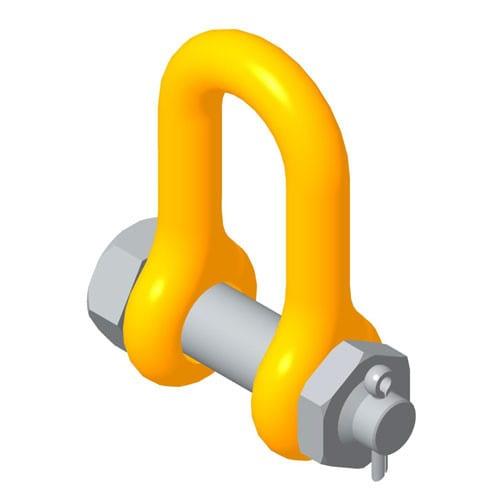
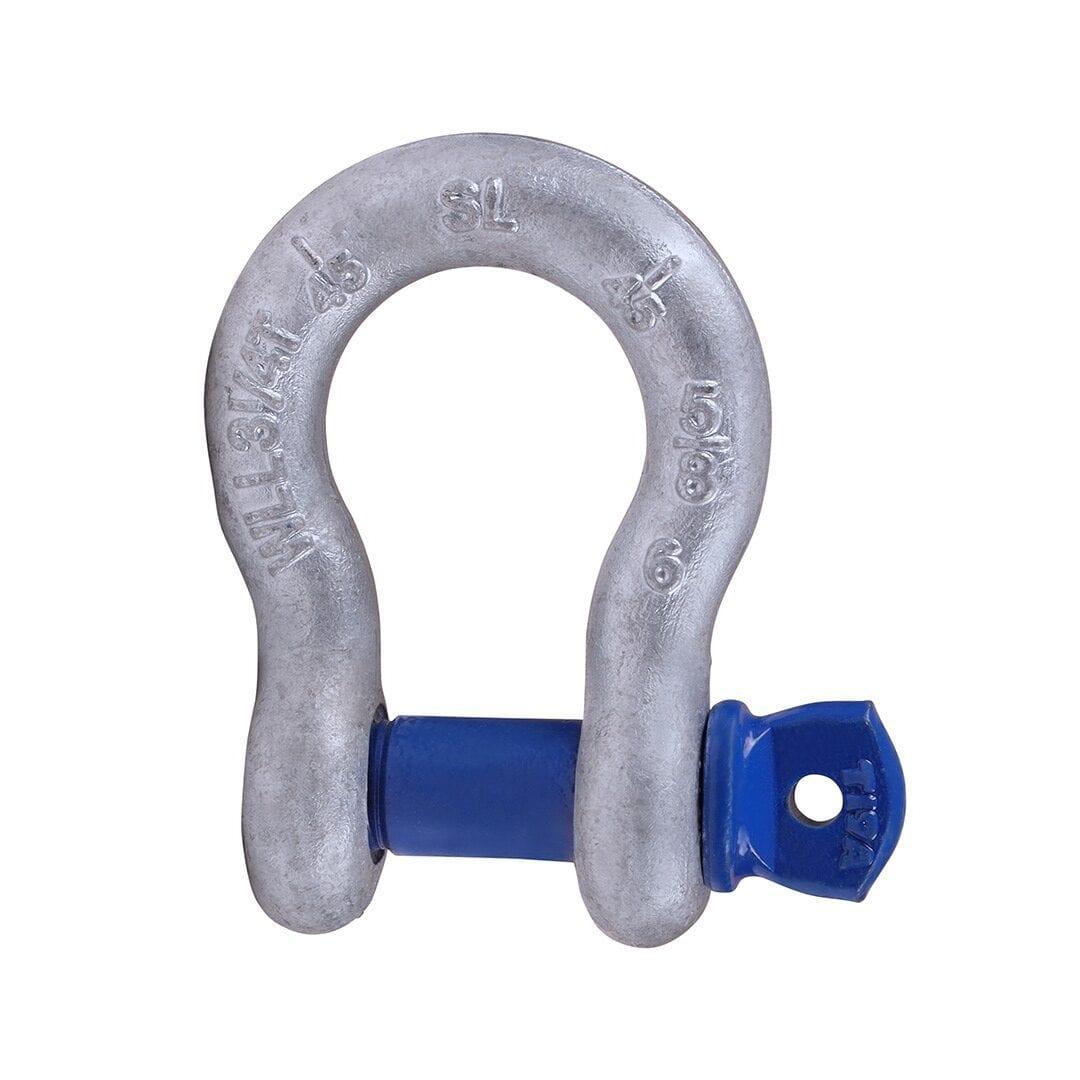
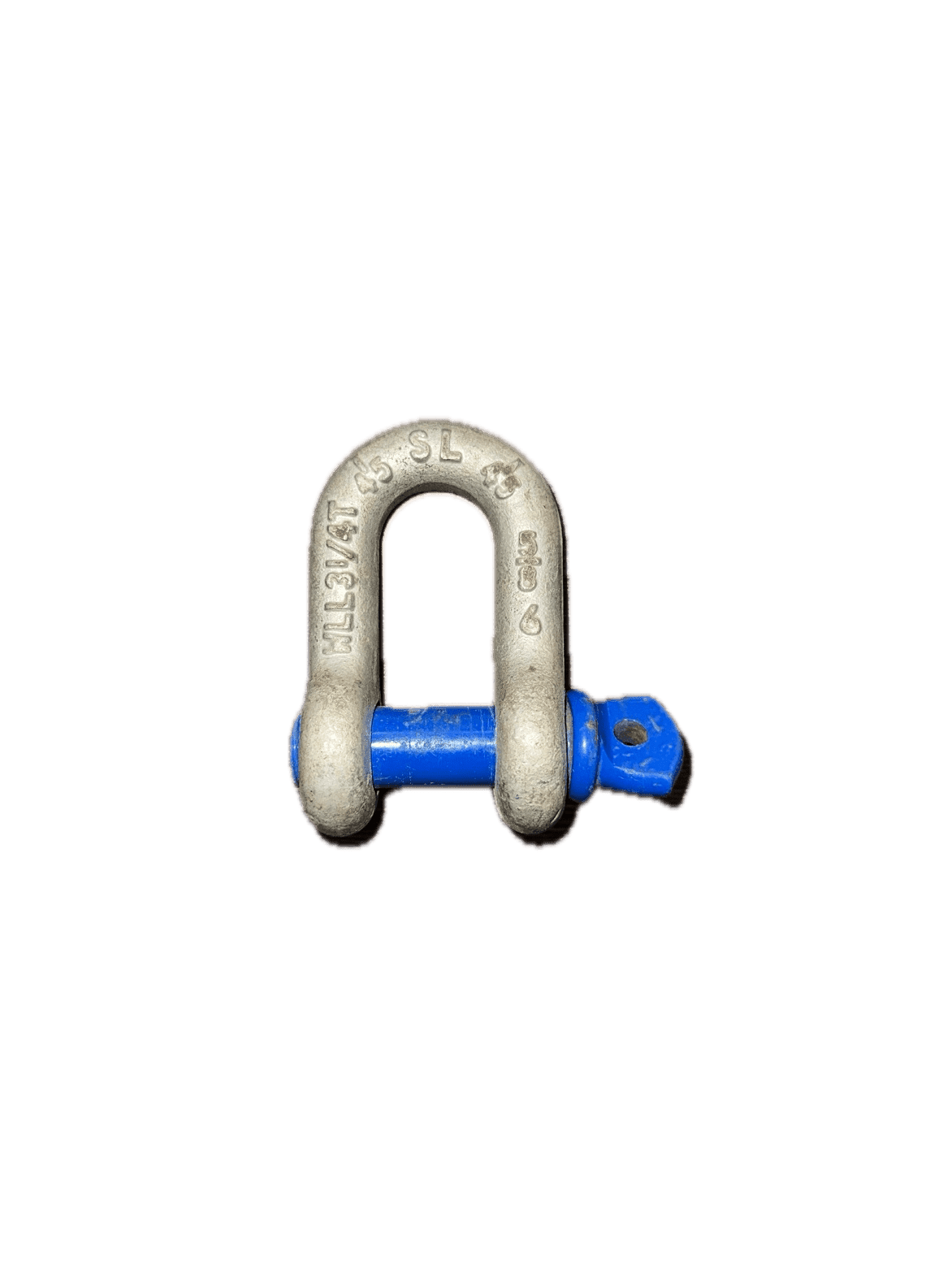
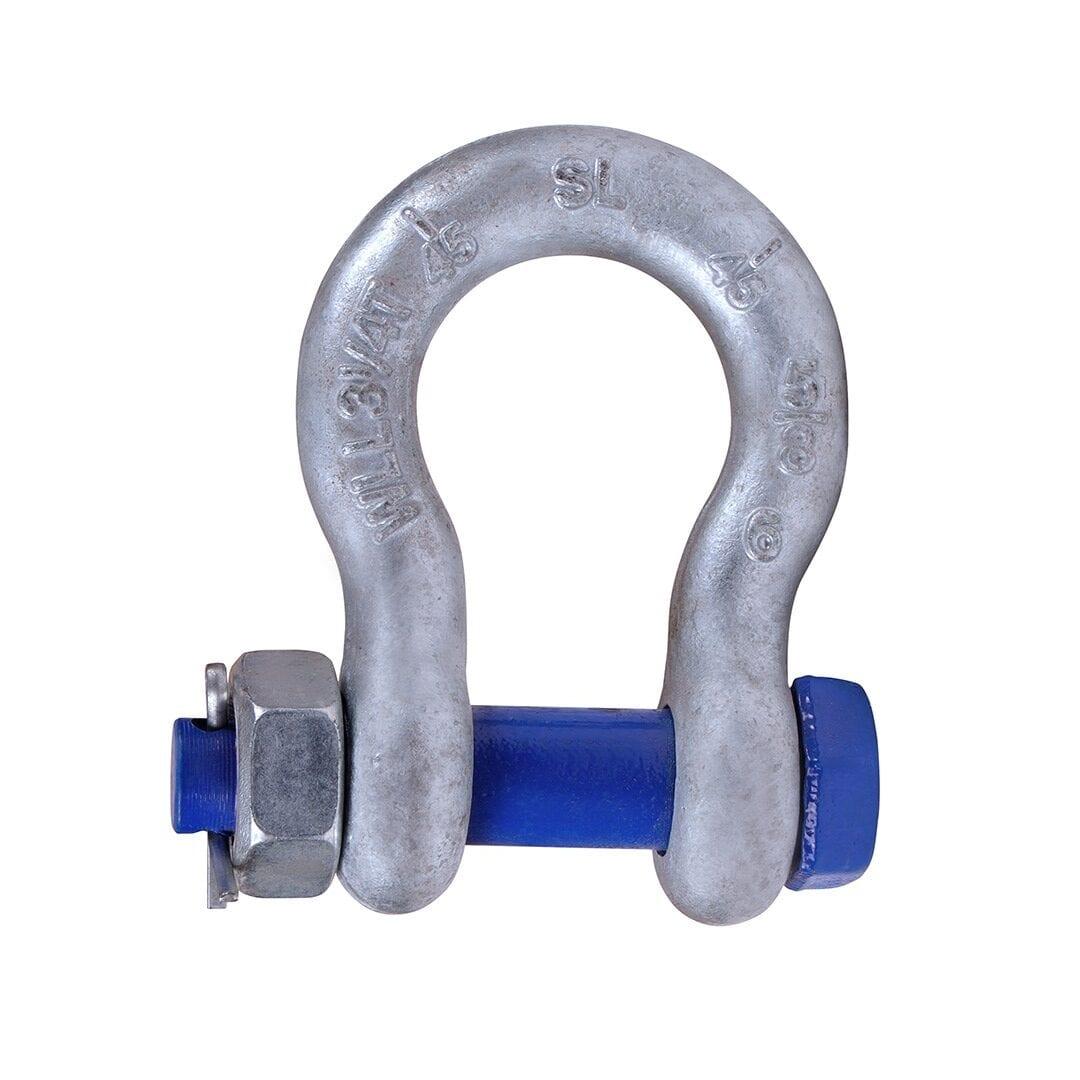
- Tensioning and fittings — galvanised turnbuckles, hot-dip galvanised shackles, forged master links, swivels and rope clamps.
- Lighter lifting gear — Zebra polyester webbing slings up to 25 tonnes and Titan chain pulley blocks up to 10 tonnes.
Sealinkers has also supplied L&T sites on the corridor's Gujarat packages since 2021.
What high-speed rail work asks of wire rope
Long, continuous lengths
Hoists and winches on large equipment are reeved with long single lengths of rope. A rope that arrives short, or in two pieces, cannot be used. Orders for this kind of work are written by length per reel, and the supplier must plan production and cutting around those lengths, including the tapered and fused ends that make reeving possible.
The right construction for the duty
6x36 rope bends easily over sheaves. 8x26 compacted rope carries more load for its diameter and resists crushing on the drum. 35x7 rope resists rotation under a single fall. A purchase order should name the construction, the grade, the core and the finish, not just the diameter.
Corrosion
Coastal Palghar and Thane see monsoon rain and salt air for months of the year. Galvanised rope and fittings, and regular lubrication, decide how long rope lasts on a site like this. Our guide to wire rope lubrication covers the field routine.
Certificates that travel with the rope
Every reel and every sling on a project of this kind needs a test certificate that a safety officer or an inspecting engineer can trace to the item. Our slings and assemblies are proof-load tested at our in-house test house on a 1,200 T proof-load test bed, and rope is supplied with the manufacturer's certificate. See how to read a test certificate.
Lessons for infrastructure buyers
- 1. Write rope orders by construction and length. "32 mm rope" is not a specification. State construction, grade, core, finish, lay direction and the exact reel lengths the equipment needs.
- 2. Order matched pairs together. Right- and left-hand lay ropes for a twin-drum system, or legs of a multi-leg sling, should be ordered and made as a set.
- 3. Plan rope as a consumable. Rope on hoists and winches is replaced on inspection, not when it breaks. Keep spare reels for critical machines on the project's stores list.
- 4. Protect against the coast. Specify galvanised rope and fittings for coastal and monsoon sites, and schedule lubrication.
- 5. Keep the certificate with the item. File rope and sling certificates against each machine and each sling tag.
Frequently asked questions
What did Sealinkers supply to the Mumbai–Ahmedabad bullet train project?
Since 2024 we have supplied Larsen & Toubro's MAHSR C3 package in Maharashtra with Usha Martin steel wire rope (6x36, 8x26 and 35x7 non-rotating, 8–36 mm), wire rope slings from 5 mm to 76 mm, sling bridles, turnbuckles, shackles, webbing slings and chain pulley blocks. We have also supplied L&T sites on Gujarat packages since 2021.
Which wire rope is used for heavy hoisting on infrastructure projects?
It depends on the duty. 6x36 steel-core rope is the common flexible choice. 8x26 compacted rope suits heavy drum work. 35x7 non-rotating rope is used where a single fall must not spin the load. The equipment manufacturer's rope specification is the final word.
Can you supply wire rope in long continuous lengths?
Yes. We supply full reels and long cut lengths to the lengths an order specifies, with tapered and fused ends where needed for reeving, and with the manufacturer's certificate.
Do you supply wire rope slings with test certificates?
Yes. Our slings are made and proof-load tested at our own works and dispatched with test certificates. Third-party inspection can be arranged where the client requires it.
Talk to us about your project
If you are setting up a casting yard, a launching programme or a steel bridge erection, send us the equipment's rope specification and your sling list. We will quote against it, with certificates. Contact Sealinkers, or browse wire rope, wire rope slings and shackles.
Sources
- [1] PIB, Ministry of Railways, "First full span box girder launched through full span launching gantry in Maharashtra", 7 September 2025 — pib.gov.in
- [2] The Metro Rail Guy, "L&T casts Mumbai–Ahmedabad bullet train C3's 1st full span girder", 18 January 2025 — themetrorailguy.com
- [3] Swarajya, "Pier work underway across over 100 km in Maharashtra section", 26 August 2026 — swarajyamag.com
- [4] Swarajya, "371 km of viaduct completed", 15 October 2026 — swarajyamag.com
- [5] News On AIR, "First steel bridge for Mumbai–Ahmedabad bullet train project launched in Maharashtra", 28 September 2026 — newsonair.gov.in
- [6] PSU Connect, "NHSRCL adopting Full Span Launching Method for MAHSR viaduct", 8 April 2022 — psuconnect.in
Related Guides
Ready to put this into practice?
Every item ships certified, and our in-house test house backs it with the paperwork.
Sealinkers Engineering
Rigging & Lifting Engineering Team
Sealinkers has supplied and certified rigging, lifting and mooring equipment from Darukhana, Mumbai since 1977. These guides are written and checked by the engineers who specify this gear and proof-load it on our own test bed.
- in-house test house — proof-load bed from 1 to 1,200 tonnes
- Proof-load testing and certification in-house since 1977, Darukhana, Mumbai
- Class-society interfaces: IRS, ABS, LRS and BV