
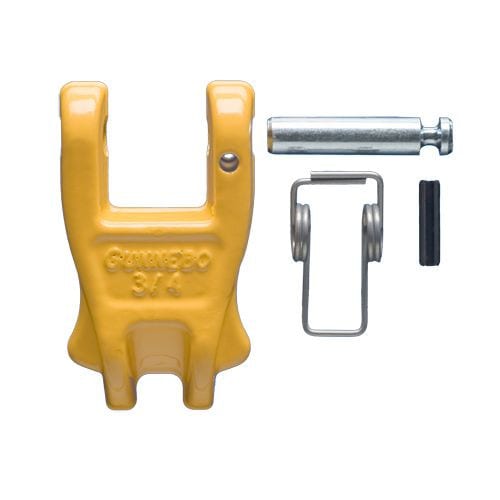
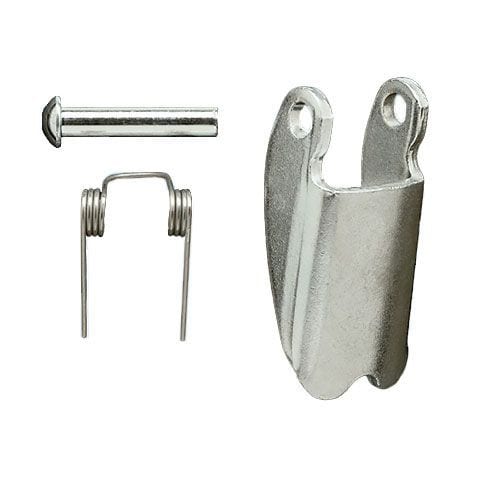
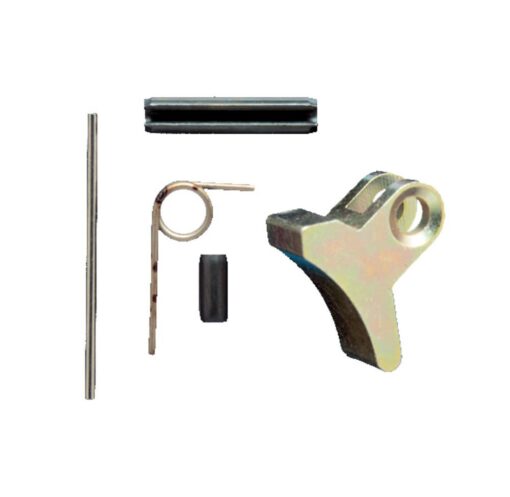
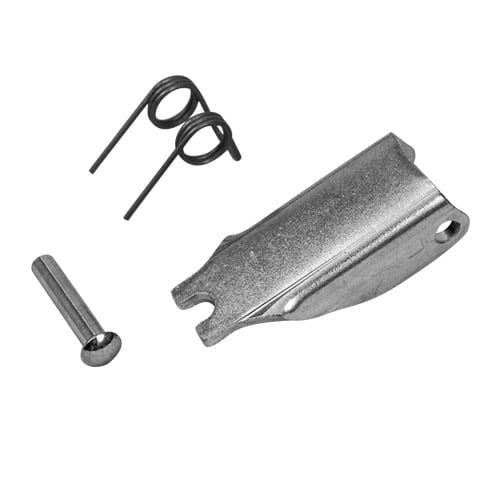
This category holds the consumables that keep wire rope working: dressing lubricants for ropes in service, and Wirelock resin socketing compound for terminating ropes into sockets. Neither is glamorous, but both change the economics of rope ownership — a well-dressed rope routinely outlasts a neglected one by a wide margin, and a properly poured socket is among the strongest terminations a rope can have.
Rope lubricants do two jobs at once: they reduce friction between strands and wires as the rope flexes over sheaves, and they seal moisture and salt out of the core. The choice depends on service: penetrating dressings that reach the core suit running ropes on cranes and hoists, while heavier coating types suit standing ropes and marine exposure. Whichever you use, the discipline matters more than the brand — regular light applications on a clean rope beat occasional heavy ones over dirt. Our guide to the lubrication of wire ropes covers frequency, method and the field signs of a rope running dry, in line with the care and maintenance thinking of IS 3973 and ISO 4309.
Wirelock is the resin alternative to molten metal for socketing: a two-part compound poured at ambient temperature, without the furnaces, fumes and heat-damage risk of white metal. We use it in our own workshop for socketed assemblies and stock it for riggers and shipyards doing their own terminations — follow the kit instructions exactly, because resin socketing is unforgiving of improvised procedure.
Related
Buying questions
How often should a wire rope be lubricated?
There is no single interval — it depends on duty, speed, environment and the rope’s original lubrication. The working rule: lubricate before the rope looks dry, and increase frequency in marine or dusty conditions and on hard-running ropes. Light, regular applications to a cleaned rope are far more effective than occasional heavy coats over dirt, which simply seal grit in against the wires.
What is Wirelock and why use it instead of white metal?
Wirelock is a two-part resin compound poured into a socket at ambient temperature to anchor the broomed rope end. Compared with molten white metal it needs no furnace, produces no metal fumes, and removes the risk of heat-damaging the rope wires during pouring. Poured correctly to the kit procedure, it develops full termination strength and is widely accepted for certified assemblies.
Can any grease be used on wire rope?
No. General-purpose greases tend to sit on the rope surface, attract grit, and never reach the core where wear actually happens. Purpose-made rope dressings are formulated to penetrate between wires and strands and to stay put in weather. Using the wrong lubricant is better than nothing on an emergency basis, but standardise on a proper rope dressing for the maintenance routine.
Do you supply socketing services or just the compound?
Both. We stock Wirelock kits for riggers and shipyards doing their own terminations, and our Darukhana workshop also fabricates socketed assemblies in-house — cutting the rope, brooming, pouring and then proof-loading the finished assembly on our own test bed, with a certificate issued. For critical or high-capacity terminations, having us build and test the assembly is the simpler route.
Need a price, stock check or certificates?
Add sizes to your quote list, or send us the load and application — we reply within one working day.