IS Standards for Lifting Equipment in India
Indian Standards (IS), published by the Bureau of Indian Standards (BIS), define how lifting equipment sold and certified in India must be designed, made, tested and marked. This guide maps the key IS numbers to each equipment type — chain, slings, hoists, shackles, wire rope — and shows how they sit alongside the EN and ISO series.
Why the IS Number on Your Certificate Matters
Indian Standards form the technical basis for lifting equipment used in Indian factories, ports and infrastructure projects. When a test house certifies an item, the certificate references the standard the item was built and tested to; when a tender or purchase order specifies an IS number, it fixes the strength, safety factor, testing and marking requirements the supplier must meet. Knowing which IS number applies to which equipment type is therefore essential for procurement, compliance and certification alike.
Key IS Standards by Equipment Type
| Equipment | IS standard | Scope | Commonly cited international counterpart |
|---|---|---|---|
| Grade 80 chain | IS 6215 | Short-link chain, Grade T(8)/80 | EN 818-2 (Grade 8 sling chain) |
| Grade 40 short-link chain | IS 3109 (Part 1):2024 | Short-link chain, Grade M(4) — non-calibrated load chain for lifting purposes | — |
| Chain slings | IS 2760:2025 | Steel chain slings (assemblies) | EN 818-4 chain slings + EN 1677 components |
| Hand chain blocks | IS 3832:2005 | Hand-operated chain pulley blocks | — |
| Ratchet lever hoists | IS 11340:2020 | Ratchet lever hoists, 0.25 t to 9 t | — |
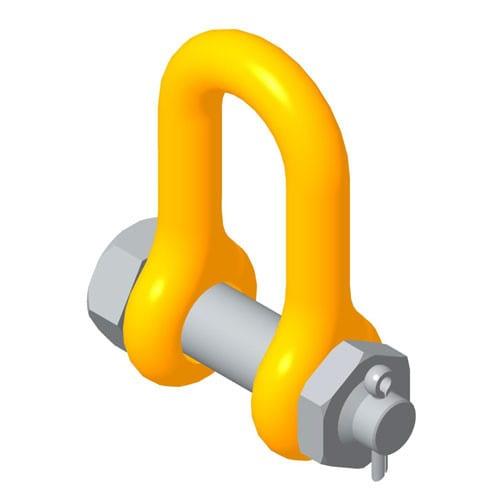
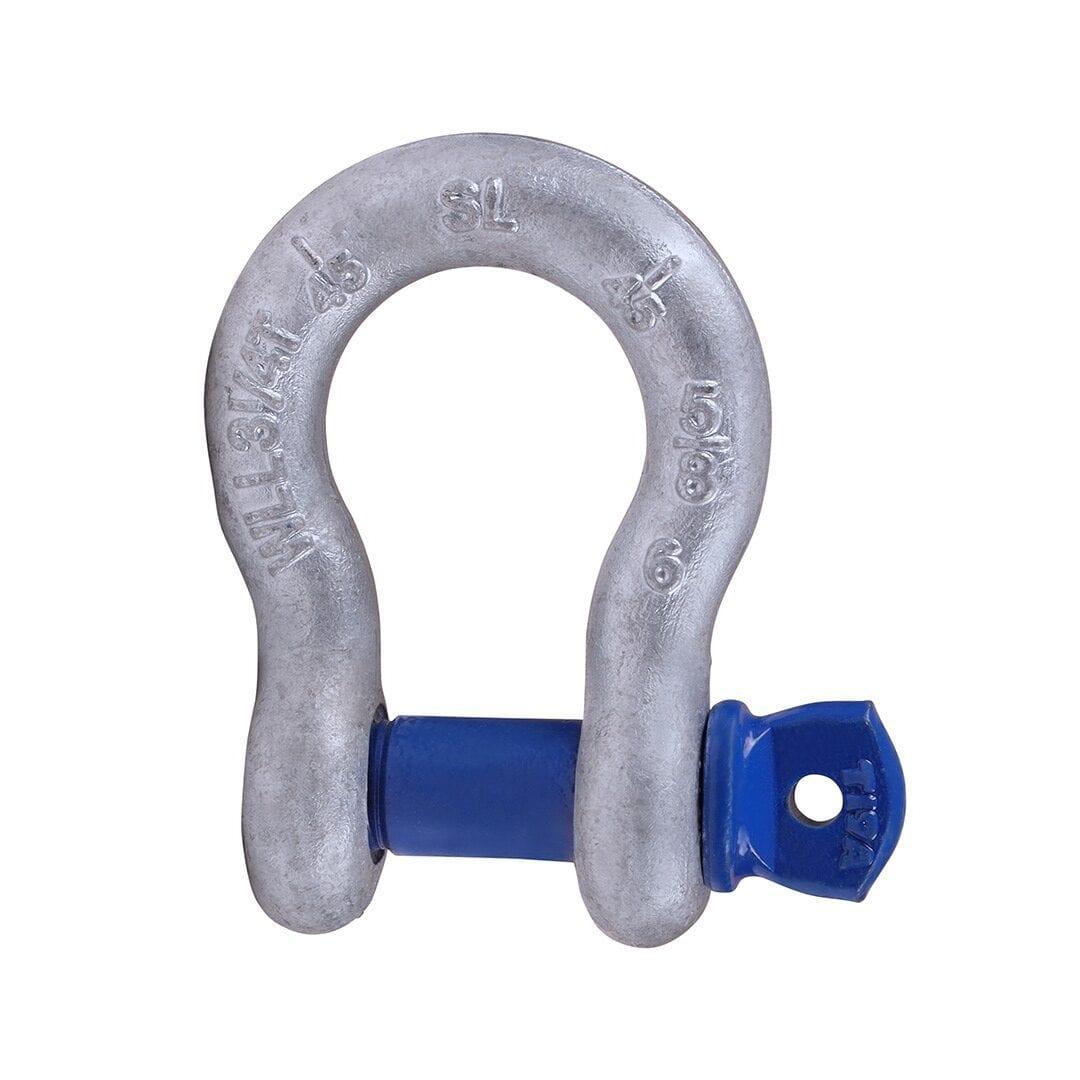
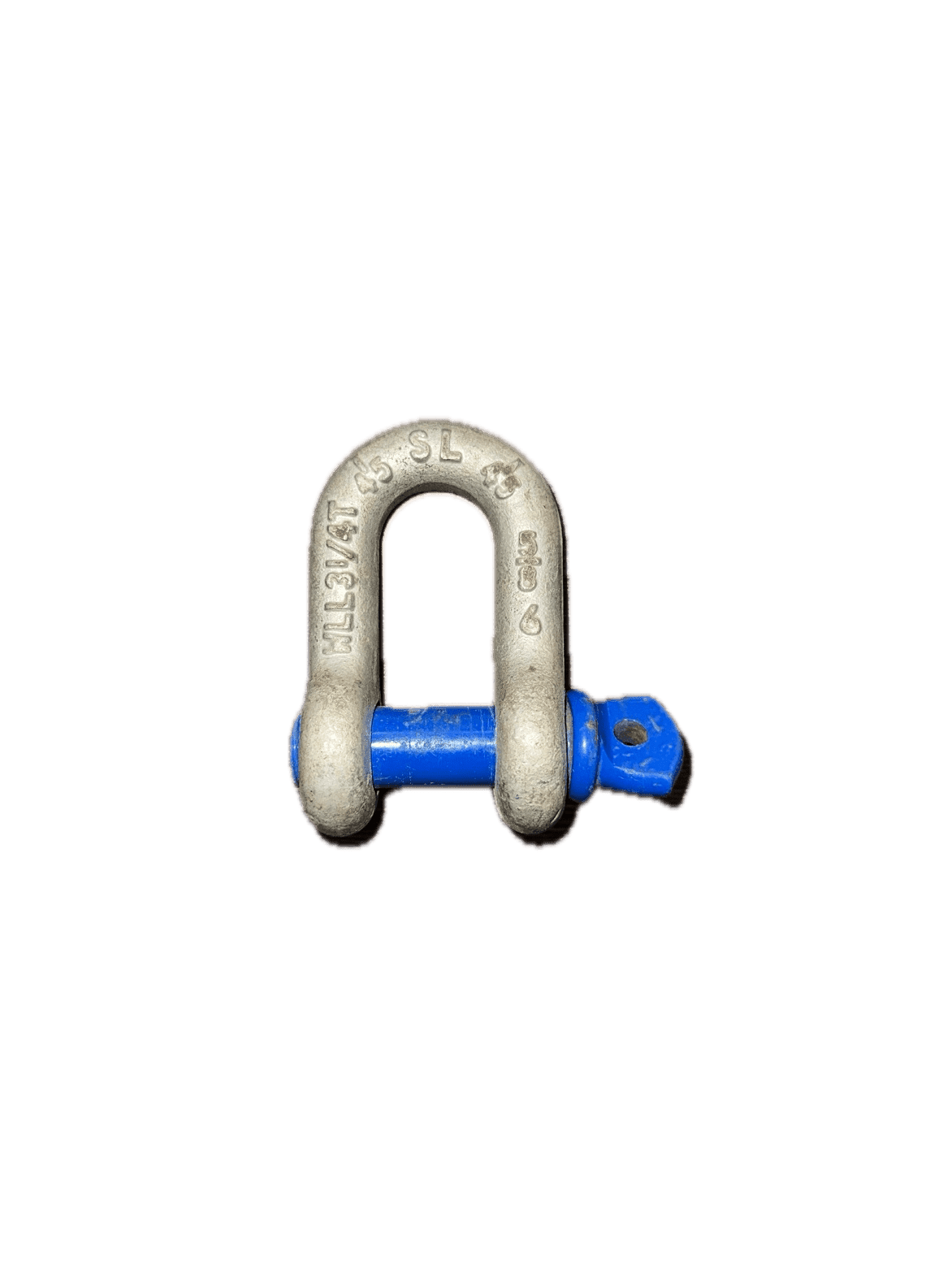
| Shackles | IS/ISO 2415:2004 | Dee and bow shackles for general lifting purposes; supersedes IS 6132:2003 | EN 13889 (forged steel shackles) |
| Eye bolts | IS 4190:2025 | Eye bolts with collars | — |
| Steel wire ropes | IS 2266:2024 | Steel wire ropes for general engineering purposes | EN 12385-4 (stranded ropes for general lifting applications) |
| Wire rope slings | IS 2762:2009 | Wire rope slings and sling legs | EN 13414 |
| Wire rope sling inspection | IS 12735:1994 | Wire rope slings — safety criteria and inspection procedures | — |
| Wire rope thimbles | IS 2315:2023 | Thimbles for wire ropes | — |
| Wire rope selection and care | IS 3973:2022 | Code of practice for the selection, installation and maintenance of wire ropes | ISO 4309 (cranes — wire rope care, inspection and discard) |
| Webbing slings | IS 15041 | Flat woven webbing slings, man-made fibre | EN 1492-1 |
| Chain-block load chain | IS 6216 | Grade T(8) calibrated load chain for pulley blocks, as referenced by IS 3832 Amendment 1 (the standard itself is now withdrawn) | — |
| Safe use of cranes | IS 13367 | Code of practice for safe use of cranes | — |
Two of these deserve special mention for chain users. The Indian chain standards are split by grade: IS 3109 (Part 1) covers Grade M(4)/40 short-link chain, and Grade T(8)/80 chain — the grade compared in our chain grade guide — sits under IS 6215. There is no Indian Standard for Grade 100 chain at all, so a Grade 100 sling supplied here is certified to the maker's specification rather than to an IS. IS 2760 covers the finished steel chain sling as an assembly, which is the number you should expect to see (alongside or instead of the EN references) on an Indian chain sling certificate.
Edition years matter as much as numbers. Several of these standards were revised recently — IS 2266 in 2024, IS 2760 and IS 4190 in 2025, IS 2315 in 2023, IS 3973 in 2022 — and some older numbers have been withdrawn or renumbered: IS 6132 (shackles) was superseded by IS/ISO 2415, and IS 2429 (round steel link chain) and IS 3109 Part 2 are withdrawn. Before you reuse an IS number from an old tender or certificate, check it against the current Bureau of Indian Standards listing for committee MED 14 (cranes, lifting chains and related equipment) or MED 10 (wire ropes and wire products). Natural-fibre cordage such as manila rope sits under the textiles division, not under either lifting committee.
What Compliance Means in Practice
When a piece of lifting equipment carries an IS standard marking, it has been designed and manufactured to meet the requirements of that specific standard. This includes:
- A defined minimum tensile strength for the material
- A specified safety factor between breaking load and working load limit (never assume the ratio — read it from the standard or certificate)
- Proof-load testing before release
- Permanent marking with capacity, standard number and manufacturer identification
- Traceability through a certificate of conformity or test certificate
Marking and paperwork must agree: the number stamped or tagged on the item, the number on the certificate, and the number on your purchase order should all match. Our guide on how to read a test certificate shows where each of these appears.
IS Standards, DGFASLI and the Test House
Product standards and statutory certification are two different layers. The IS or EN number tells you what the item was built to; the Factories Act, 1948 and, at ports, the Dock Workers framework tell you when it must be examined and by whom — a competent person, recognised by the state Chief Inspector of Factories for factory work and by DGFASLI for dock work, before first use and periodically thereafter (see our DGFASLI and Factories Act compliance guide). Whichever regime applies, the proof-load test certificate typically references the applicable IS or EN standard alongside the actual test results: a test house cannot meaningfully certify lifting gear against a standard the equipment was never built to. The certificate you receive should state the standard clearly, and our load testing guide explains what happens on the bed itself.
Sealinkers has operated an in-house test house in Darukhana, Mumbai since 1977, with a 1,200 T proof-load test bed, issuing test and examination certificates for gear we supply and for third-party equipment alike. A recurring lesson from that work: the items that cause certification trouble are rarely the ones built to a named standard — they are the unmarked imports with no standard, no grade mark and no traceable certificate, which no honest test house can certify against anything.
- Specify the equipment type, WLL and the applicable IS (or EN) standard on the purchase order.
- Verify any IS number taken from an old document against the current BIS listing before reusing it.
- On receipt, check the physical marking: capacity, standard number and manufacturer ID must be present and legible.
- Match the certificate to the item — same standard, same identification, same WLL.
- Buy from a supplier who sends mill and test certificates with the goods, not after them.
- Plan the statutory competent-person examination before the item enters service.
A shackle, sling, chain or hoist that merely looks right but carries no standard marking and no traceable certificate cannot be properly certified for statutory service under the Factories Act — whatever it cost, it cannot legally do the job you bought it for. Unmarked or untraceable lifting gear should be quarantined, not "used carefully". The saving on a substandard import is always smaller than the cost of the incident, the failed inspection or the voided insurance claim it invites.
Frequently asked questions
Is IS marking legally mandatory for lifting gear in India?
The operative legal requirement in factories and ports is testing and examination by a competent person under the Factories Act and Dock Workers framework. In practice, gear built to a recognised IS or EN standard with traceable markings is what a test house can certify — so while the statute speaks of examination rather than of a specific product mark, unmarked gear fails at the certification step anyway.
Can I use EN-certified equipment on an Indian site?
Yes — EN-certified gear is used throughout Indian industry, and test houses reference the EN standard on the certificate. What matters to the inspector is a valid competent-person certificate and markings that match it. Some tenders specify IS numbers, in which case ask the supplier to confirm equivalence in writing on the offer.
What if an item carries both IS and EN markings?
That is common and acceptable — many manufacturers certify against both families. Check that the WLL, grade and identification are consistent across both markings and the certificate; any disagreement between them is a reason to withdraw the item and query the supplier.
Where do I find the IS number on a test certificate?
Certificates state the standard in the description or test-basis field, alongside the item identification, WLL and proof load applied. If a certificate names no standard at all, treat it as incomplete and ask the issuer to reissue it properly — a certificate that cannot say what the item was tested against is weak evidence of anything.
Do IS standards tell me when to discard equipment?
Some do. For wire rope slings, IS 12735 sets the safety criteria and inspection procedures, and ISO 4309 covers the care, inspection and discard of ropes on cranes; IS 3973 is a selection, installation and maintenance code rather than a discard standard. For chain, slings and hoists, discard criteria come from the applicable standard and the manufacturer's documentation, applied by the competent person at examination. The discard decision is theirs, not the storekeeper's.
Sealinkers supplies IS- and EN-certified lifting equipment with traceable documentation across our ranges — from chain slings and fittings and hoists and chain blocks to Gunnebo components — and tests and certifies third-party gear at our Mumbai test house. For standards guidance on a specific purchase, contact our team for a quote.
Related Guides
Ready to put this into practice?
Every item ships certified, and our in-house test house backs it with the paperwork.
Sealinkers Engineering
Rigging & Lifting Engineering Team
Sealinkers has supplied and certified rigging, lifting and mooring equipment from Darukhana, Mumbai since 1977. These guides are written and checked by the engineers who specify this gear and proof-load it on our own test bed.
- in-house test house — proof-load bed from 1 to 1,200 tonnes
- Proof-load testing and certification in-house since 1977, Darukhana, Mumbai
- Class-society interfaces: IRS, ABS, LRS and BV