

Hoists, blocks & sheaves
Snatch blocks, crane blocks, sheaves and overhaul balls from Crosby and McKissick, and our own Titan chain blocks and lever hoists — with test certificates on request.
68 products
Showing 1–24 of 68
Crosby
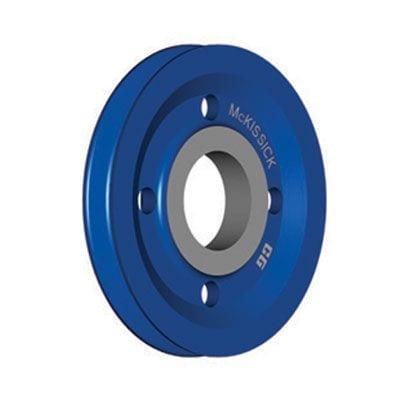
Crosby 1173 Sheave for Wire Rope
Sign in for pricing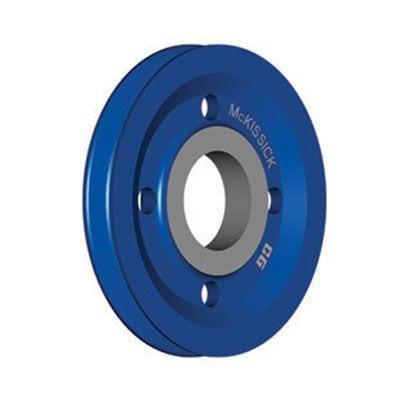
Crosby
Crosby 1193 Sheave for Wire Rope
Sign in for pricing
Crosby
Crosby 402 BB Alloy Tail Board Snatch Block
Sign in for pricing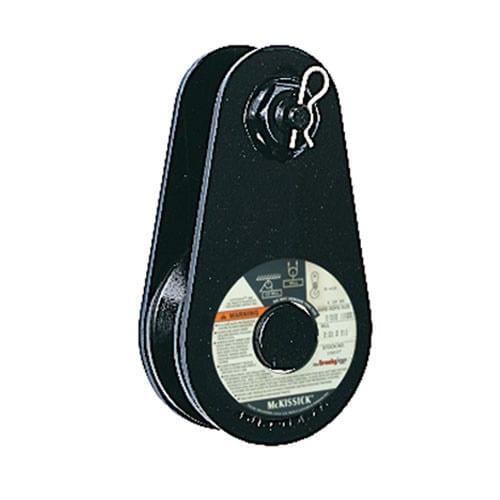
Crosby
Crosby 404 BB Tail Board Snatch Block
Sign in for pricing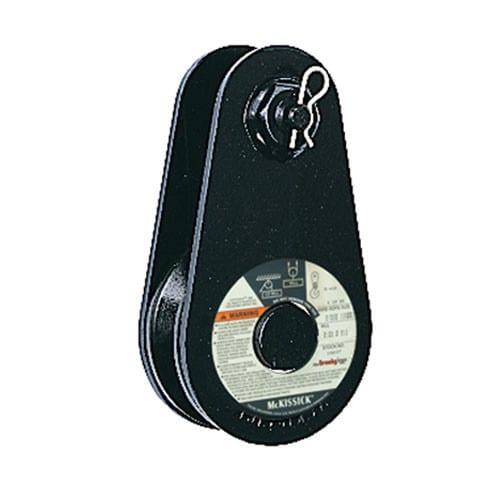
Crosby
Crosby 404 RB Tail Board Snatch Block
Sign in for pricing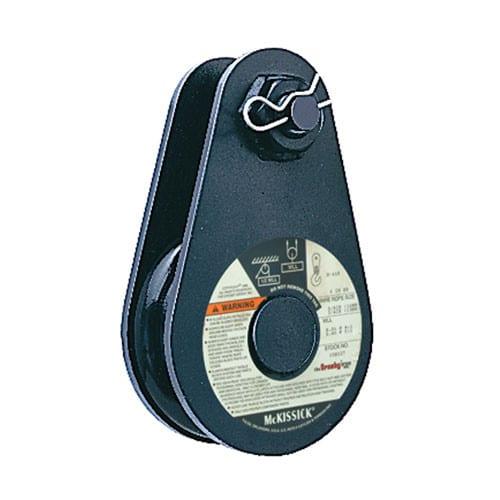
Crosby
Crosby 407 BB Tail Board Snatch Block
Sign in for pricing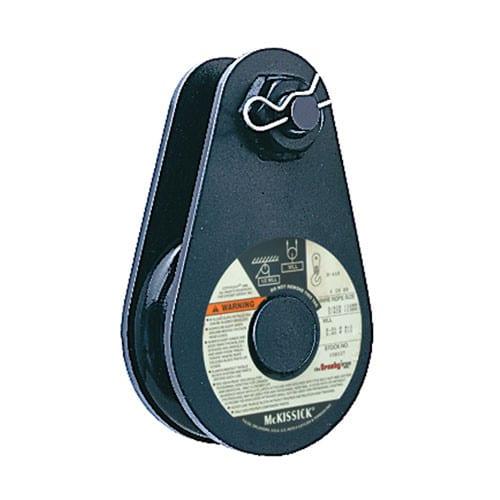
Crosby
Crosby 407 RB Tail Board Snatch Block
Sign in for pricing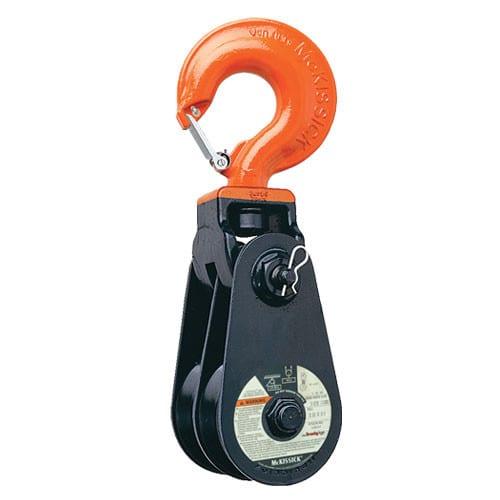
Crosby
Crosby 408 BB Double Snatch Block with Hook
Sign in for pricing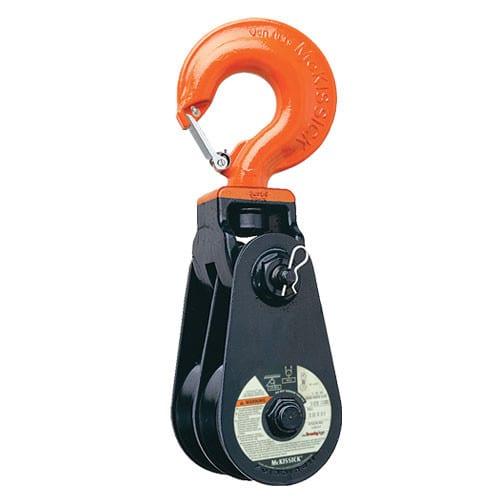
Crosby
Crosby 408 RB Double Snatch Block with Hook
Sign in for pricing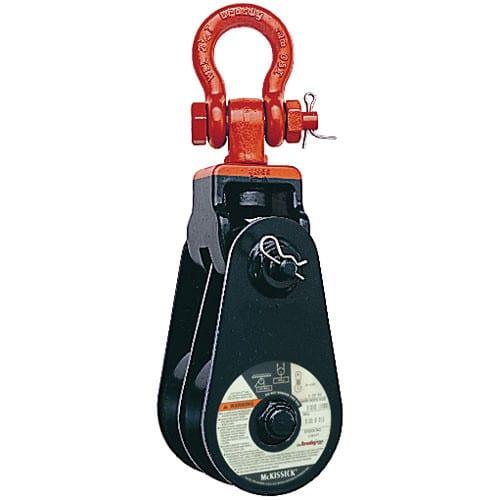
Crosby
Crosby 409 BB Double Snatch Block with Shackle
Sign in for pricing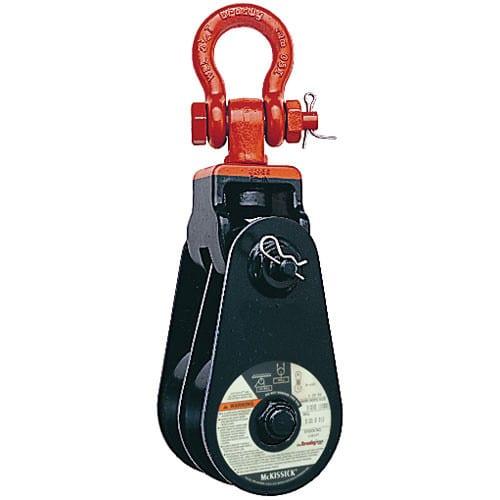
Crosby
Crosby 409 RB Double Snatch Block with Shackle
Sign in for pricing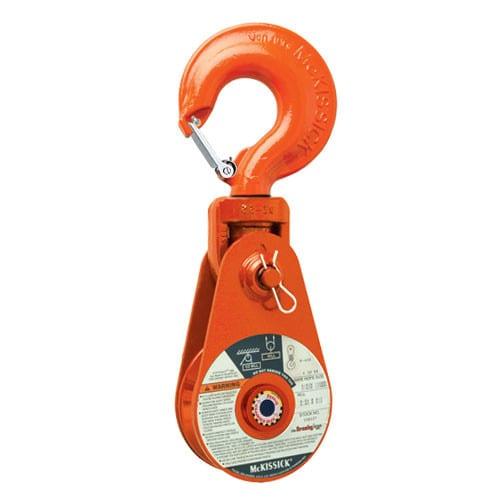
Crosby
Crosby 416 BB Alloy Snatch Block with Hook
Sign in for pricing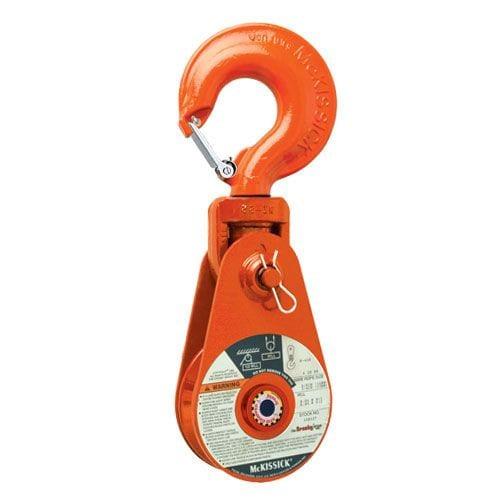
Crosby
Crosby 416 RB Alloy Snatch Block with Hook
Sign in for pricing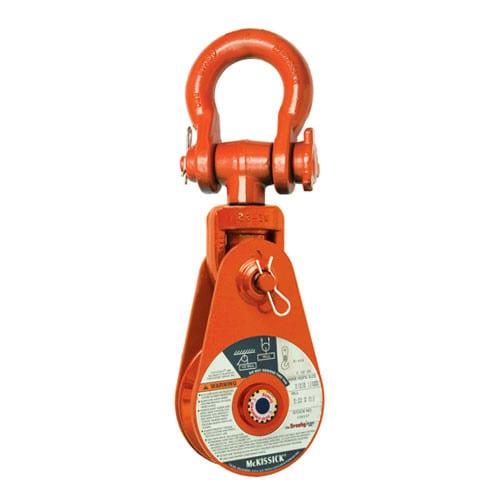
Crosby
Crosby 417 BB Alloy Snatch Block with Shackle
Sign in for pricing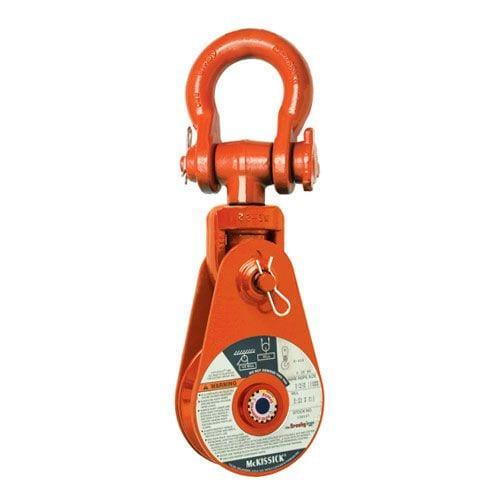
Crosby
Crosby 417 RB Alloy Snatch Block with Shackle
Sign in for pricing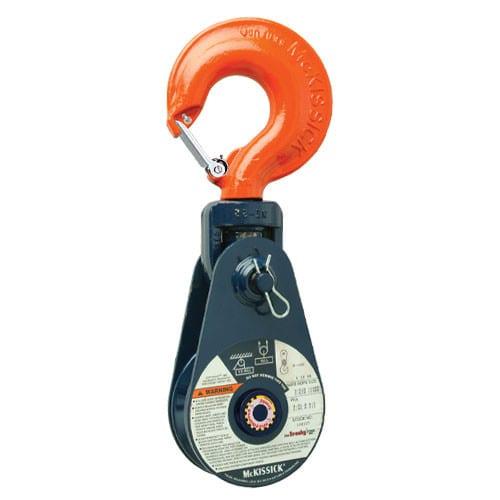
Crosby
Crosby 418 BB Snatch Block with Hook
Sign in for pricing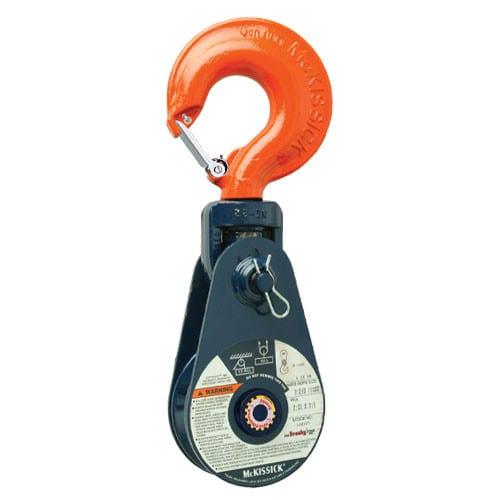
Crosby
Crosby 418 RB Snatch Block with Hook
Sign in for pricing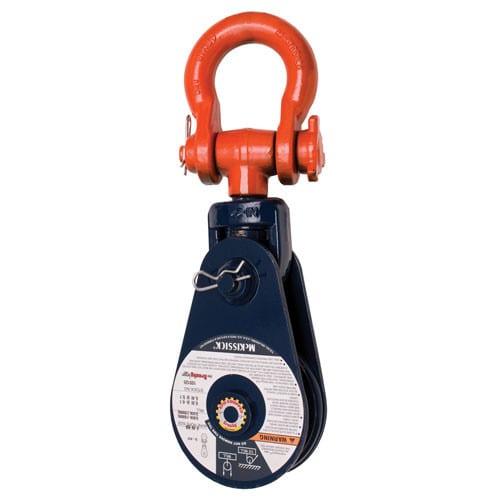
Crosby
Crosby 419 BB Snatch Block with Shackle
Sign in for pricing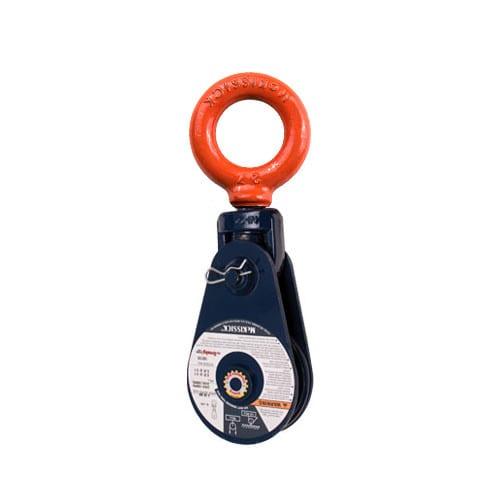
Crosby
Crosby 419 BB Snatch Block with Swivel Eye
Sign in for pricing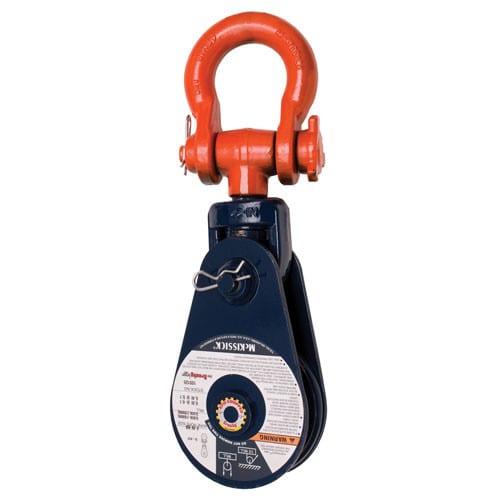
Crosby
Crosby 419 RB Snatch Block with Shackle
Sign in for pricing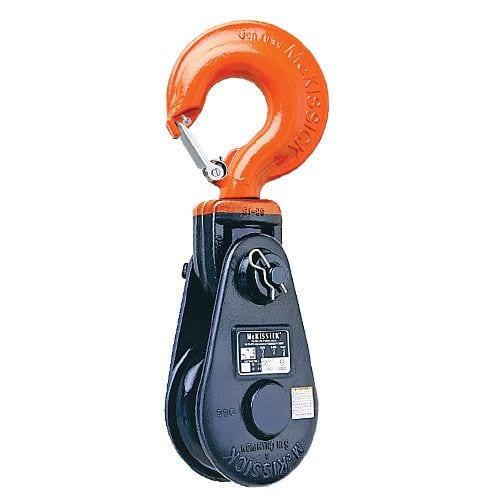
Crosby
Crosby 420 BB Snatch Block with Hook
Sign in for pricing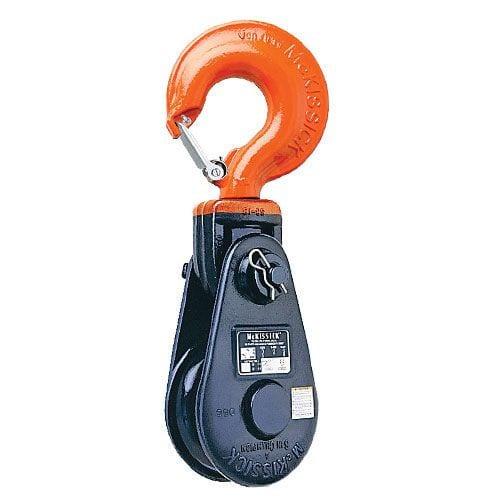
Crosby
Crosby 420 RB Snatch Block with Hook
Sign in for pricing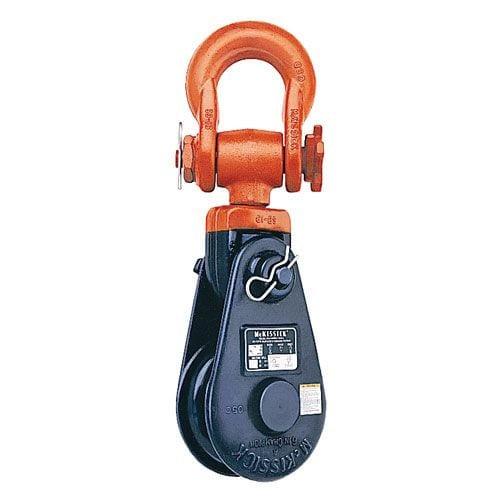
Crosby
Crosby 421 BB Snatch Block with Shackle
Sign in for pricing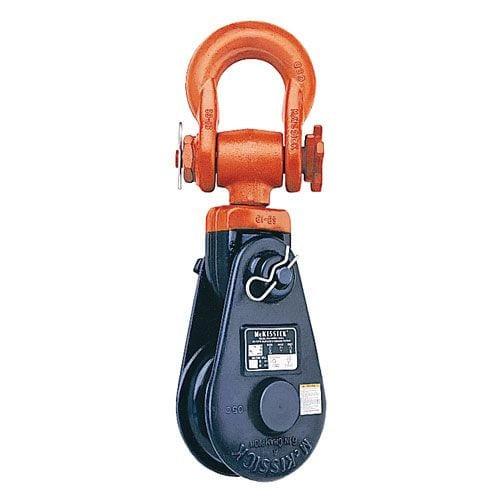
Crosby
Crosby 421 RB Snatch Block with Shackle
Sign in for pricingThis category brings together lifting chain and the machines built around it — hand chain blocks, lever hoists and powered hoists — for workshops, sheds, ports and construction sites. We stock alloy lifting chain alongside chain blocks from Yale, Titan and Gunnebo, and we test what we sell on our own proof-load bed.
Two questions settle most purchases. First, hand or powered? A manual block is simple, portable and happy in dusty or outdoor conditions; an electric hoist earns its keep when lifts are frequent, repetitive or tall — our manual versus electric hoist guide covers the crossover point. Second, capacity and height of lift: pick the working load limit above your heaviest realistic load, not your average one, and specify the height of lift and hand-chain drop at the time of ordering, because standard drops rarely match Indian shed heights.
For loose lifting chain, grade matters: Grade 80 is the workhorse of Indian rigging, while Grade 100 offers a higher working load limit at the same diameter where weight or headroom is tight. Chain for lifting purposes is supplied against the scope of IS 3109 and EN 818, and chain pulley blocks against IS 3832.
Every block and chain sling we supply can be proof-tested in our in-house test house, with the test and examination certificate issued for your register.
Related
Buying questions
What certificate do I get with a chain block or hoist?
New blocks come with the manufacturer’s test certificate. On request we proof-load the block in our own in-house test house and issue a test and examination certificate in our own name. For blocks already in service, we also carry out periodic examination and re-certification.
How do I pick the right capacity and height of lift?
Size the block above your heaviest realistic load with some margin, never at the exact load. Then measure the real distance from the hook suspension point to the lowest position the bottom hook must reach — that is your height of lift — and tell us the operator’s standing level so the hand chain drop is right. Getting these two measurements right avoids most returns.
Should I buy Grade 80 or Grade 100 chain?
Grade 80 remains the standard choice for general lifting in India and is the easiest to source, inspect and match with fittings. Grade 100 gives a higher working load limit for the same chain diameter, which helps when you need to save weight or headroom, but the whole sling — hooks, links, connectors — must be rated to match. Never mix grades in one assembly.
How often should a chain block be inspected or serviced?
Give it a quick visual check before each use — chain condition, hook throat, brake action — and put it through a thorough periodic examination by a competent person at the interval your statutory framework and site policy require. Blocks in dirty or marine environments need stripping and servicing more often. If the brake slips or the chain jumps the pocket, withdraw it immediately.