

Chain slings & fittings
Grade 80, 100 and 120 alloy chain slings assembled to your legs and length, from Gunnebo components we hold in stock.
37 products · page 2 of 2
Showing 25–37 of 37
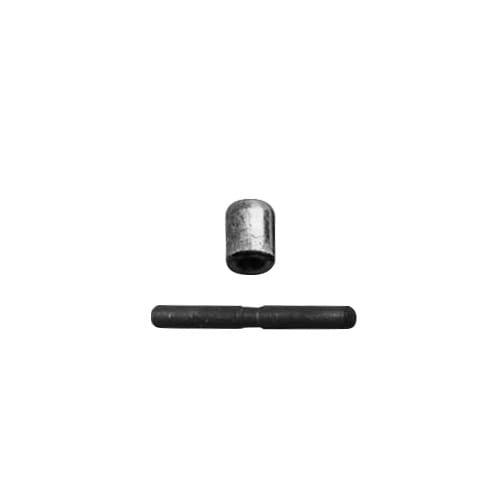
Gunnebo Products
Gunnebo SKA Coupler Pin
Sign in for pricing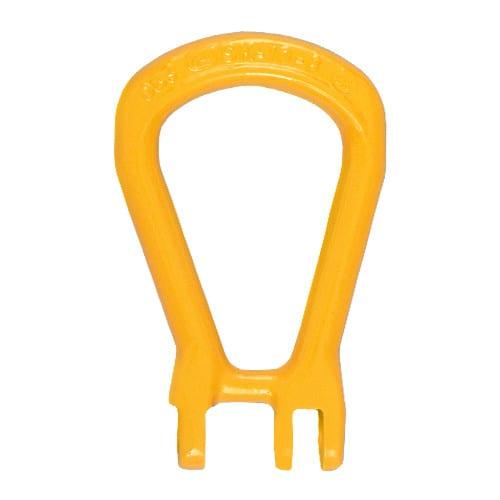
Gunnebo Products
Gunnebo SKG Grade 80 Closed Master Link
Sign in for pricing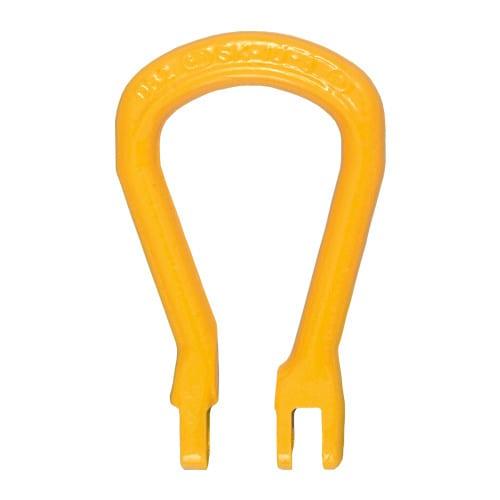
Gunnebo Products
Gunnebo SKO Grade 80 Open Master Link
Sign in for pricing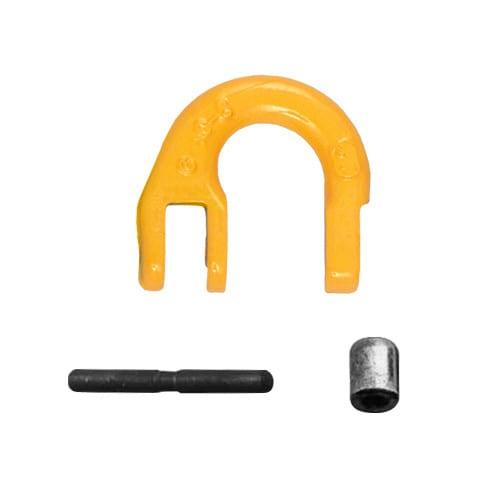
Gunnebo Products
Gunnebo SKT Grade 80 Half Link Coupler
Sign in for pricing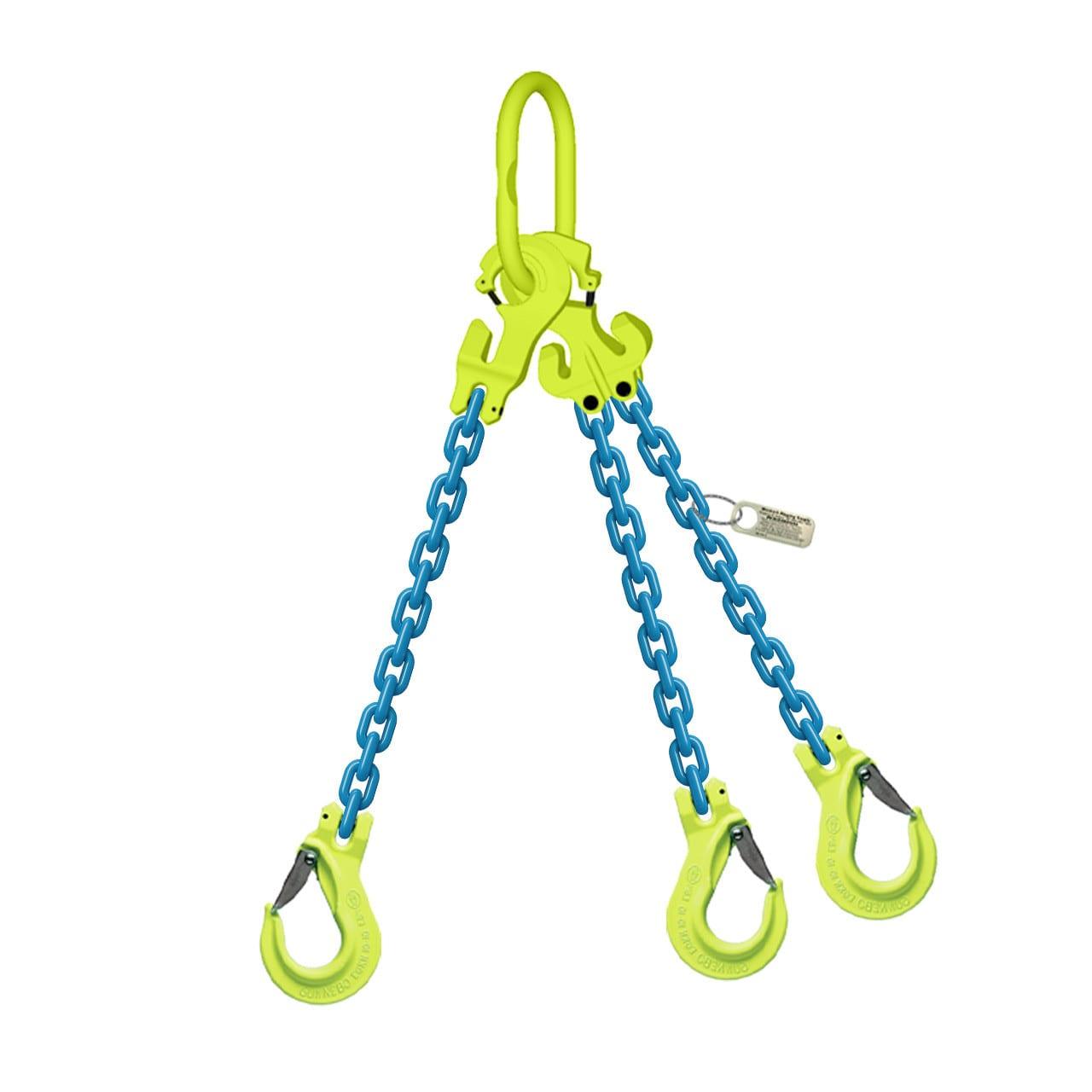
Chain & Chain Blocks
Gunnebo TG3-EGKN GrabiQ Adjustable 3-Leg Grade 100 Chain Sling
Sign in for pricing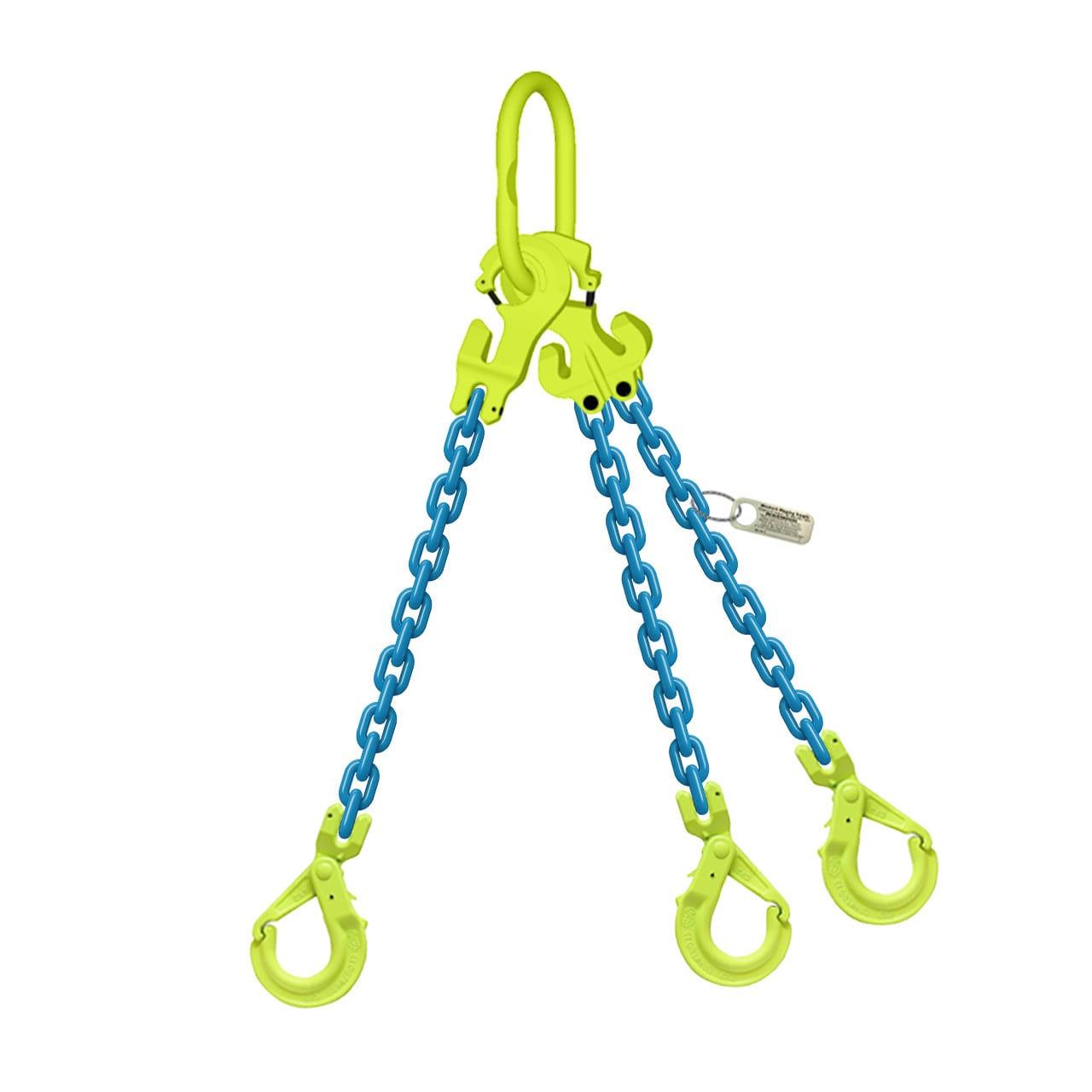
Chain & Chain Blocks
Gunnebo TG3-GBK GrabiQ Adjustable 3-Leg Grade 100 Chain Sling
Sign in for pricing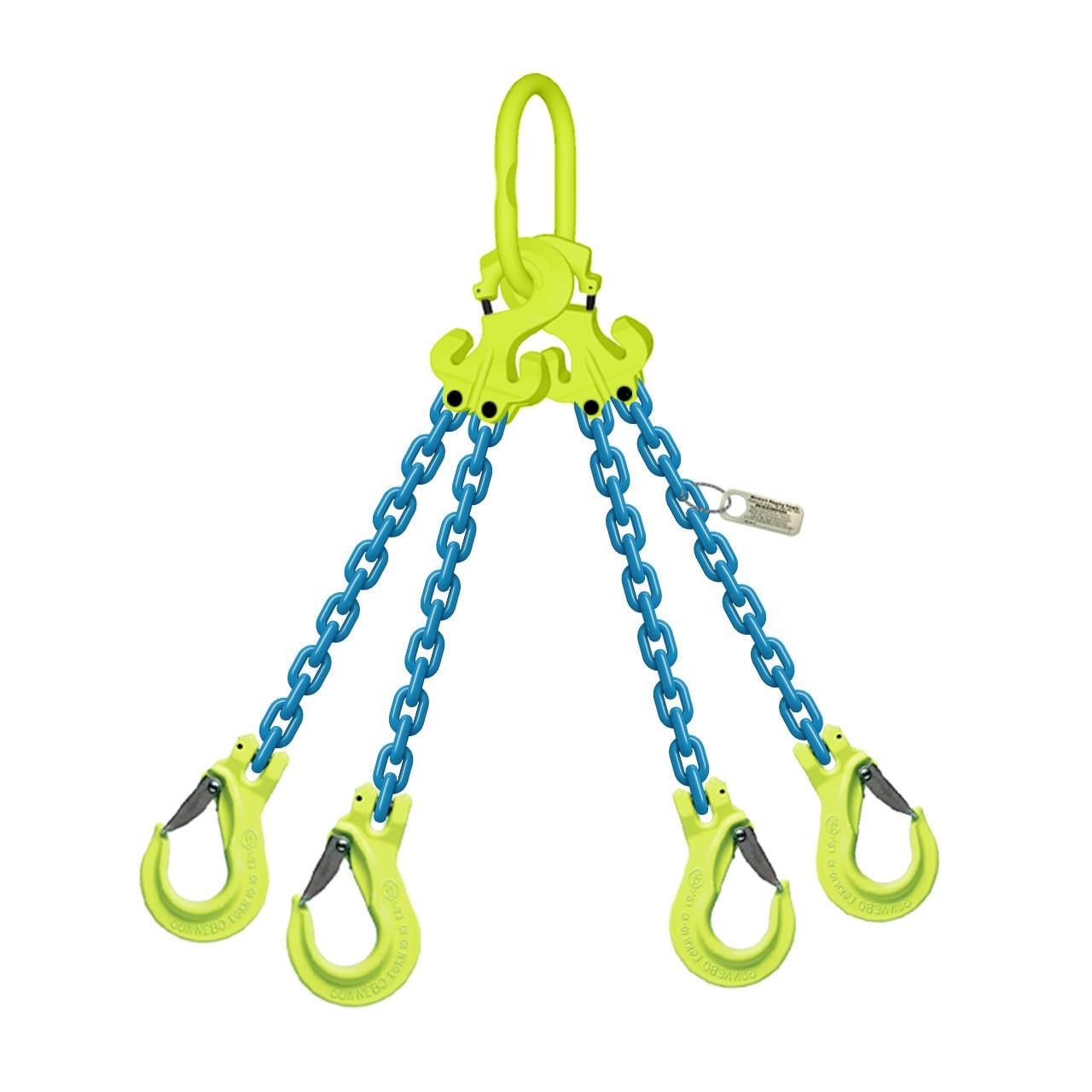
Chain & Chain Blocks
Gunnebo TG4-EGKN GrabiQ Adjustable 4-Leg Grade 100 Chain Sling
Sign in for pricing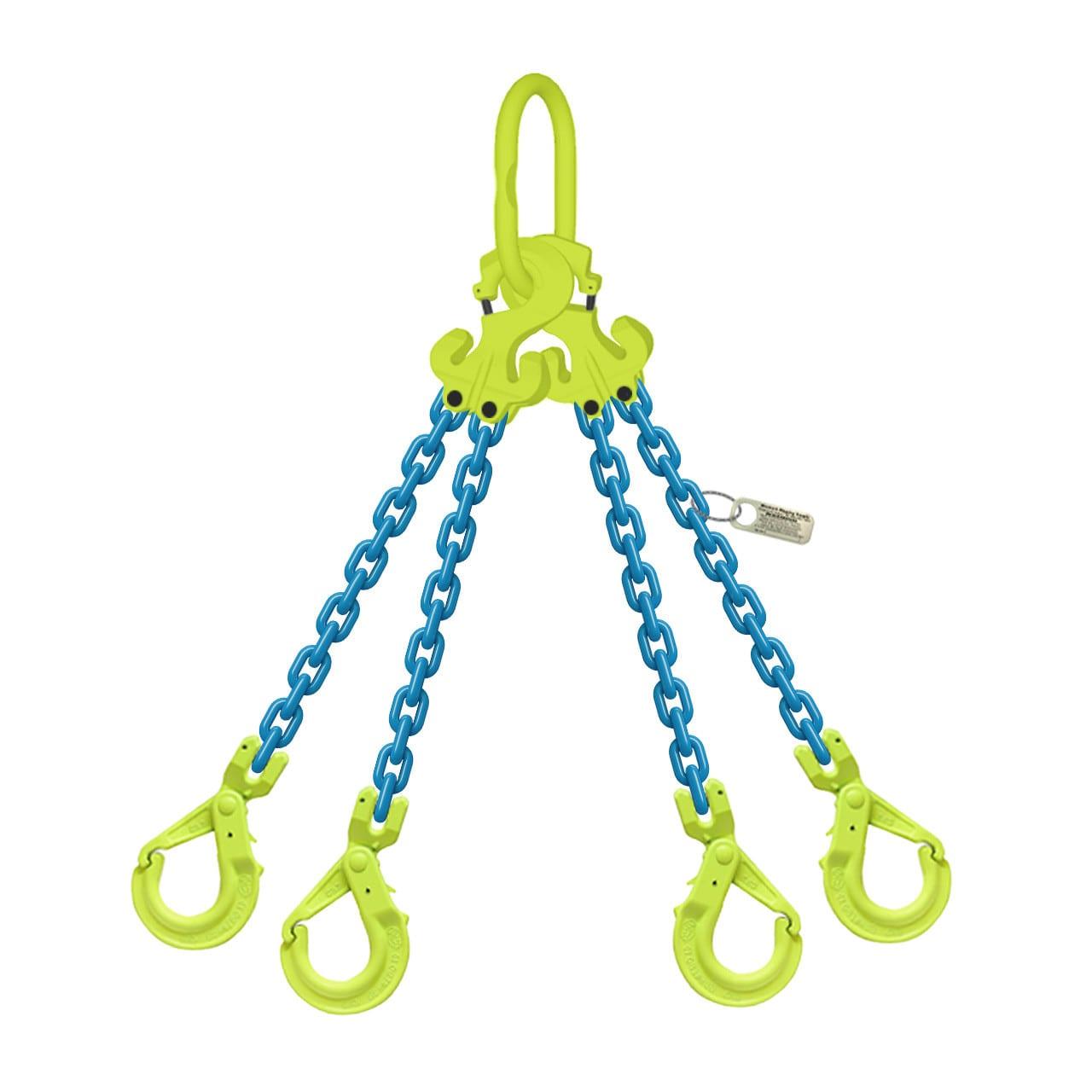
Chain & Chain Blocks
Gunnebo TG4-GBK GrabiQ Adjustable 4-Leg Grade 100 Chain Sling
Sign in for pricing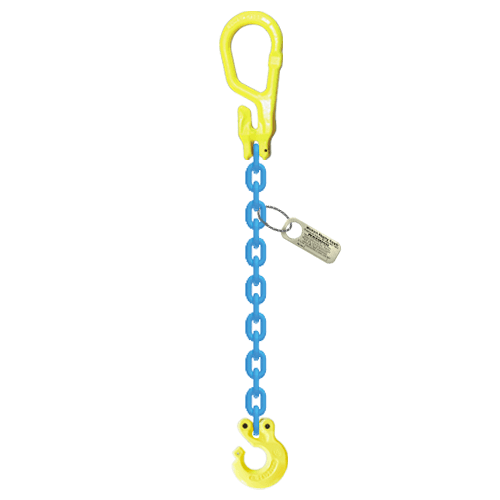
Chain & Chain Blocks
Gunnebo Type MG-CL Single Leg Grade 100 Chain Sling
Sign in for pricing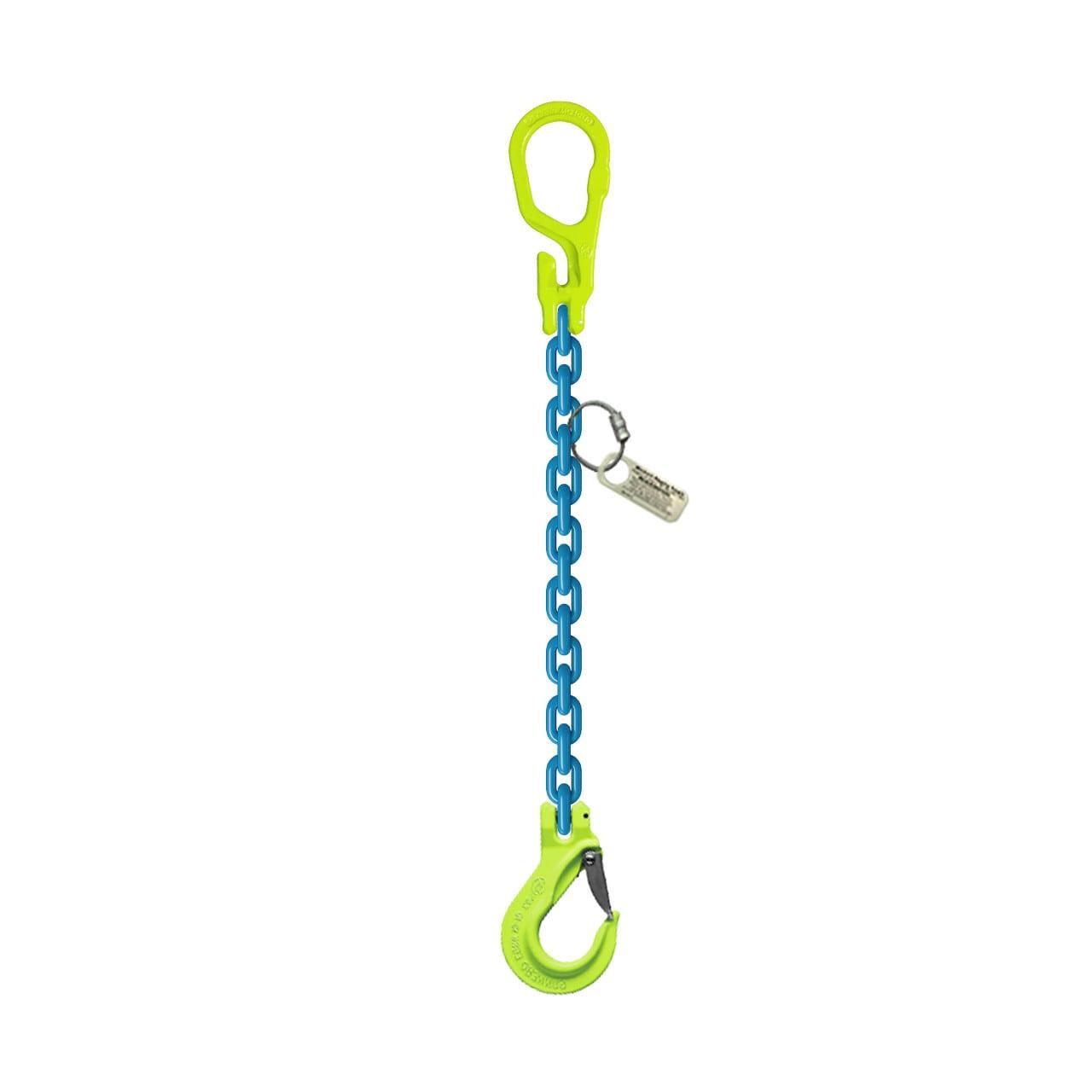
Chain & Chain Blocks
Gunnebo Type MG-EGKN GrabiQ Adjustable Single Leg Grade 100 Chain Sling
Sign in for pricing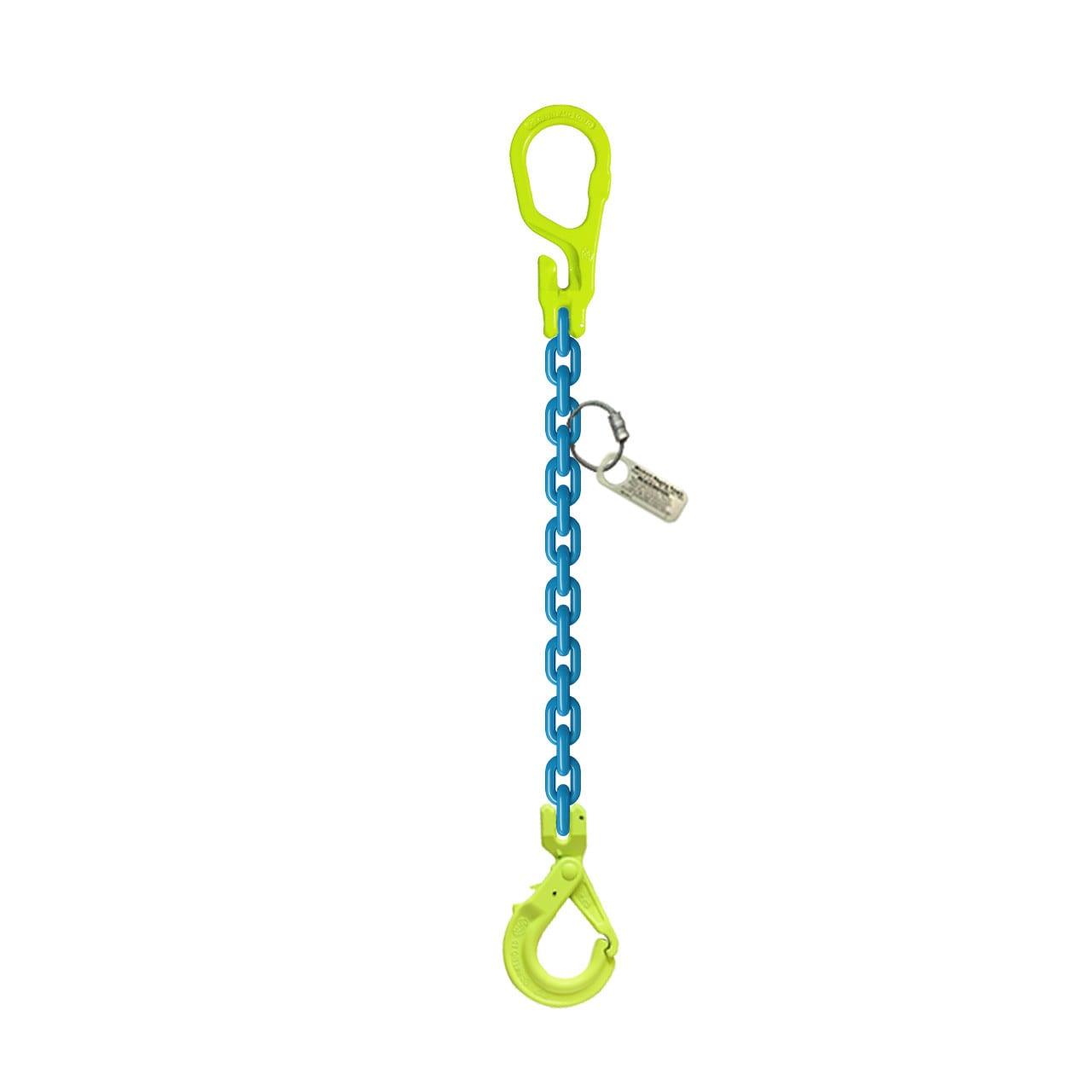
Chain & Chain Blocks
Gunnebo Type MG-GBK GrabiQ Adjustable Single Leg Grade 100 Chain Sling
Sign in for pricing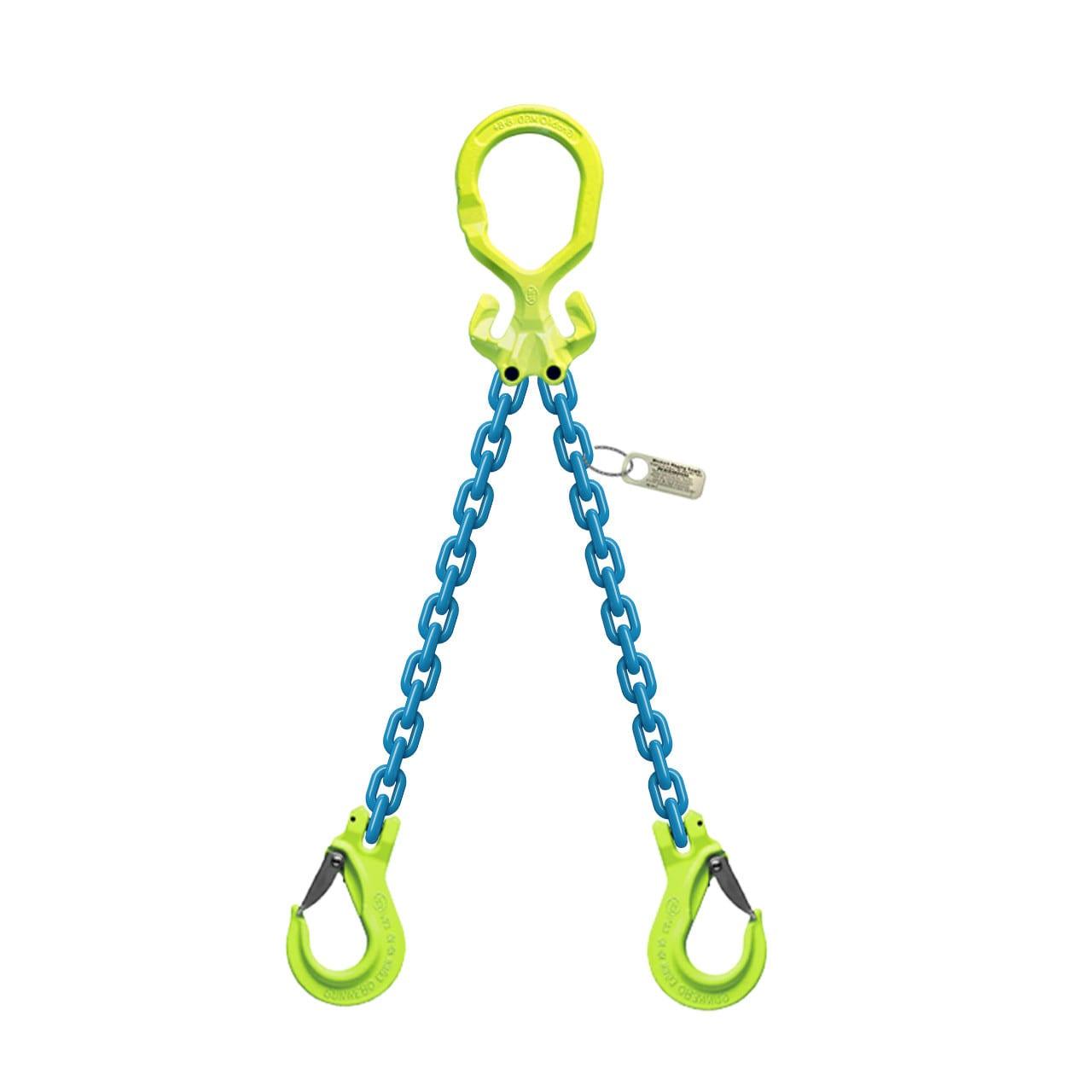
Chain & Chain Blocks
Gunnebo Type MGD-EGKN GrabiQ Adjustable 2-Leg Grade 100 Chain Sling
Sign in for pricing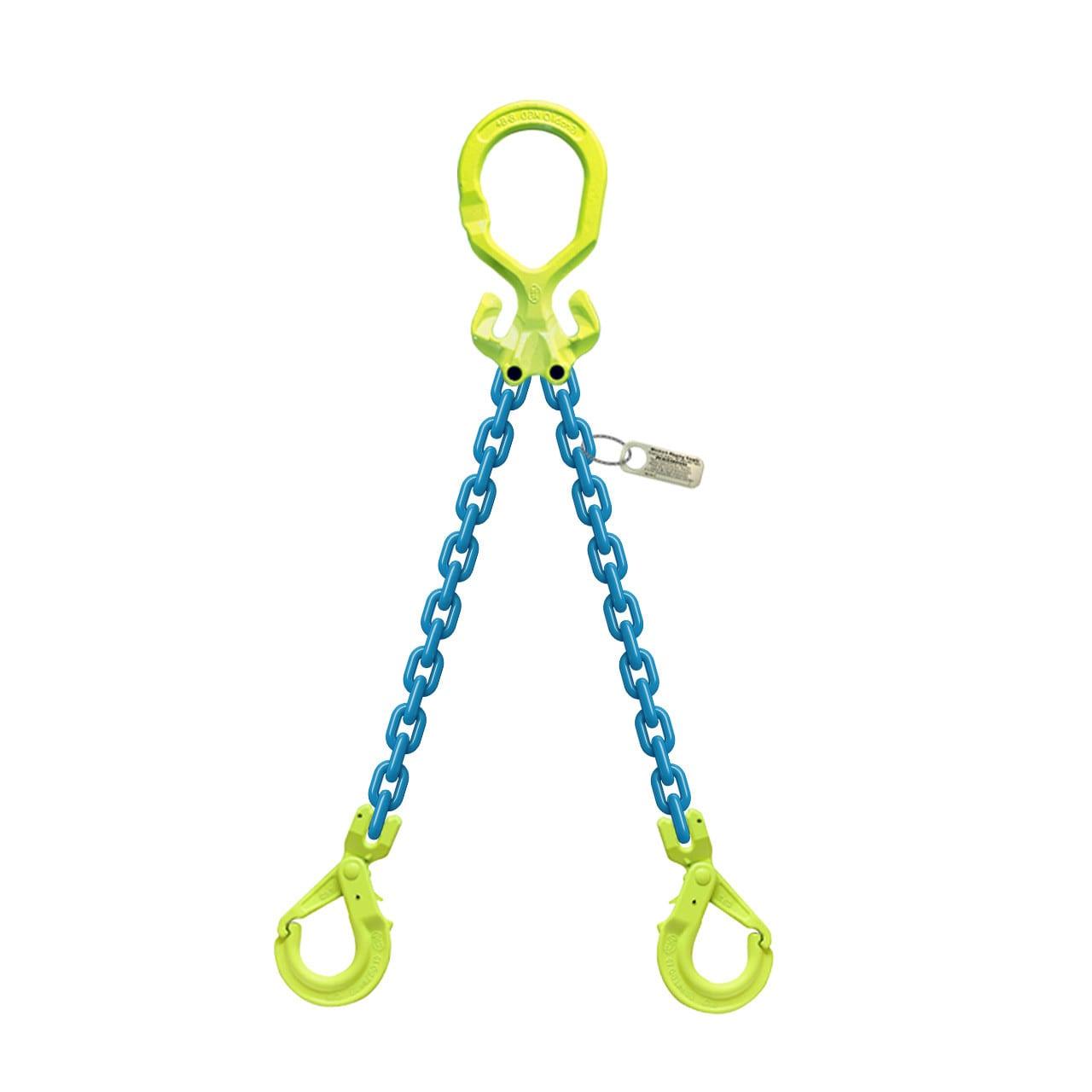
Chain & Chain Blocks
Gunnebo Type MGD-GBK GrabiQ Adjustable 2-Leg Grade 100 Chain Sling
Sign in for pricingChain sling working load limits — Grade 80 and Grade 100
Working load limits in tonnes for single-leg, choke and 2-, 3- and 4-leg chain slings, by chain size. Grade 100 carries more than Grade 80 at the same size; every component in a sling must be rated for the grade of its chain.
| Chain size | Single leg, straight t× 1 | Choke (×0.8) t | 2-leg, β 0–45° t× 1.4 | 2-leg, β 45–60° t× 1 | 3- and 4-leg, β 0–45° t× 2.1 | 3- and 4-leg, β 45–60° t× 1.5 |
|---|---|---|---|---|---|---|
| 6 mm | 1.12 | 0.85 | 1.55 | 1.10 | 2.35 | 1.65 |
| 7 mm | 1.50 | 1.20 | 2.10 | 1.50 | 3.15 | 2.25 |
| 8 mm | 2.00 | 1.60 | 2.80 | 2.00 | 4.20 | 3.00 |
| 10 mm | 3.15 | 2.50 | 4.40 | 3.15 | 6.60 | 4.70 |
| 13 mm | 5.30 | 4.20 | 7.40 | 5.30 | 11.10 | 7.95 |
| 16 mm | 8.00 | 6.40 | 11.20 | 8.00 | 16.80 | 12.00 |
| 18 mm | 10.00 | 8.00 | 14.00 | 10.00 | 21.00 | 15.00 |
| 20 mm | 12.50 | 10.00 | 17.50 | 12.50 | 26.25 | 18.75 |
| 22 mm | 15.00 | 12.00 | 21.00 | 15.00 | 31.50 | 22.50 |
| 26 mm | 21.20 | 16.95 | 29.65 | 21.20 | 44.50 | 31.80 |
| 32 mm | 31.50 | 25.20 | 44.10 | 31.50 | 66.15 | 47.25 |
Grade 80 alloy steel chain, single-leg WLL as EN 818-4; uniform-load method factors as EN 818-4 (3- and 4-leg slings rated on three legs bearing). Single-leg ratings as published; other columns derived and rounded down to 0.05 t. Each derived figure is the unrounded single-leg WLL times the mode factor, rounded down once; β is the leg angle from the vertical.
| Chain size | Single leg, straight t× 1 | Choke (×0.8) t | 2-leg, β 0–45° t× 1.4 | 2-leg, β 45–60° t× 1 | 3- and 4-leg, β 0–45° t× 2.1 | 3- and 4-leg, β 45–60° t× 1.5 |
|---|---|---|---|---|---|---|
| 6 mm | 1.40 | 1.10 | 1.95 | 1.40 | 2.90 | 2.10 |
| 7 mm | 1.90 | 1.50 | 2.65 | 1.90 | 3.95 | 2.85 |
| 8 mm | 2.50 | 2.00 | 3.50 | 2.50 | 5.25 | 3.75 |
| 10 mm | 4.00 | 3.20 | 5.60 | 4.00 | 8.40 | 6.00 |
| 13 mm | 6.70 | 5.35 | 9.35 | 6.70 | 14.05 | 10.05 |
| 16 mm | 10.00 | 8.00 | 14.00 | 10.00 | 21.00 | 15.00 |
| 18 mm | 12.50 | 10.00 | 17.50 | 12.50 | 26.25 | 18.75 |
| 20 mm | 16.00 | 12.80 | 22.40 | 16.00 | 33.60 | 24.00 |
| 22 mm | 19.00 | 15.20 | 26.60 | 19.00 | 39.90 | 28.50 |
| 26 mm | 26.50 | 21.20 | 37.10 | 26.50 | 55.65 | 39.75 |
| 32 mm | 40.00 | 32.00 | 56.00 | 40.00 | 84.00 | 60.00 |
Grade 100 alloy steel chain; uniform-load method factors as EN 818-4; the WLL on the chain maker's tag governs. Grade 100 single-leg ratings as published by grade 100 chain makers; other columns derived and rounded down to 0.05 t (EN 818-4 covers grade 80 only). Each derived figure is the unrounded single-leg WLL times the mode factor, rounded down once; β is the leg angle from the vertical.
4-leg slings. A 4-leg sling is rated as if three legs carry the load: on a rigid or uneven load one leg can hang slack while the other three share the weight, so one column covers both 3- and 4-leg slings.
Choke hitch. The choke column is the single-leg WLL × 0.8. Your sling's tag governs: a choke at a sharp angle rates lower.
For a lift at a known leg angle, use the chain sling WLL calculator.
Standards
Grade 80 chain slings to EN 818-4; Grade 100 to the chain maker's published rating; Indian standards: current edition of IS 2760 (chain slings), IS 15191 (Grade T(8) components), IS 8324 (safe use and inspection).
Gunnebo chain and components
Gunnebo is the Swedish lifting-components house whose chain and fittings set much of the pattern for modern Grade 80 and Grade 100 rigging, and Sealinkers supplies the range in India. This category covers Gunnebo alloy lifting chain, hooks — including their well-regarded self-locking safety patterns — masterlinks, connectors and the shortening and coupling components used to build chain sling systems.
The range is built as a system: chain, hooks and connectors within a grade are designed, rated and marked to work together, so a sling assembled entirely from Gunnebo components carries a coherent rating from masterlink to hook. That is the right way to buy chain rigging — mixing grades or brands within an assembly muddies the rating and the paperwork. The grade decision itself is straightforward: Grade 80 is the established standard for general lifting duty, while Grade 100 gives a higher working load limit at the same chain diameter, saving weight and headroom on demanding lifts. Our comparison of Grade 80 versus Grade 100 chain covers the trade-offs.
Gunnebo components are manufactured to the scope of the European component and chain standards — EN 1677 for forged components and EN 818 for short-link lifting chain — with each part marked with its grade and identification. From those components our Darukhana workshop builds complete chain slings, and our in-house test house proof-loads and certifies the finished assembly.
If you are standardising a site’s chain rigging, Gunnebo is a sound backbone: the components are consistent, spares are identifiable years later from their markings, and worn parts can be replaced like-for-like without re-engineering the sling.
How we make them
Specification
You give us the load, the hitch and the headroom; we size the legs, the fittings and the working load limit against the standard that applies.
Make
Cut from certified stock rope or webbing and terminated in-house — swaged, spliced, socketed or sewn — with every component traceable to its own certificate.
Proof-load
The finished assembly goes on our own test bed (our beds run from 1 to 1,200 T) and is loaded to the multiple its standard requires.
Certificate
It leaves tagged, with a test and examination certificate in our own name on its serial number — class-witnessed (IRS, ABS, LRS, BV) where the job needs it.
Related
Buying questions
Why is a 4-leg chain sling rated the same as a 3-leg sling?
On a rigid or uneven load one leg can hang slack while the other three take the weight, so a 4-leg sling is rated as if three legs carry the load. That is why the table gives one figure for 3- and 4-leg slings.
What does the leg angle do to a chain sling's working load limit?
The wider the legs spread, the more each leg pulls for the same load, so the rating drops. The table gives two bands, β 0–45° and β 45–60° measured from the vertical. Do not use a multi-leg sling with legs more than 60° from the vertical.
How much does a choke hitch reduce a chain sling's rating?
The table applies the uniform-load factor of 0.8 to the single-leg working load limit. A choke pulled tight at a sharp angle rates lower, so the figure on your sling's tag governs.
Which Indian standards cover chain slings?
The current editions of IS 2760 for chain slings, IS 15191 for Grade T(8) components and IS 8324 for safe use and inspection. The Grade 80 table follows EN 818-4; Grade 100 follows the chain maker's published rating.
Can I mix Gunnebo components with other brands of chain?
It is best avoided in certified assemblies. Components within one manufacturer’s grade system are designed and rated to work together, and the sling certificate describes that coherent system. Mixing brands — or worse, grades — makes the assembly’s true rating ambiguous and complicates every future examination. If you must replace a component urgently, match grade and size exactly and have the sling re-examined.
Should I choose Grade 80 or Grade 100 Gunnebo chain?
Grade 80 remains the general-purpose standard: widely stocked, familiar to every inspector, and the economical choice for most duty. Grade 100 delivers a higher working load limit from the same chain diameter, which pays off when sling weight matters to the rigger or headroom is tight. Whichever grade you choose, keep the entire assembly — chain, connectors, hooks — in that one grade.
Are Gunnebo chain slings certified for Indian port and factory use?
Yes. The components carry Gunnebo’s manufacturing certification to the European standards’ scope, and the chain slings we assemble from them are proof-loaded in our in-house test house with a test and examination certificate issued in our own name.
How do I inspect a Gunnebo chain sling in service?
Before each use, run the chain through your hands checking for stretched, gouged, twisted or corroded links, check hooks for throat spread and latch function, and confirm the identification tag is present and legible. Periodically, a competent person should examine and gauge the sling for wear and elongation. Any link showing stretch, or any hook with a spread throat, condemns the assembly until repaired and re-tested.